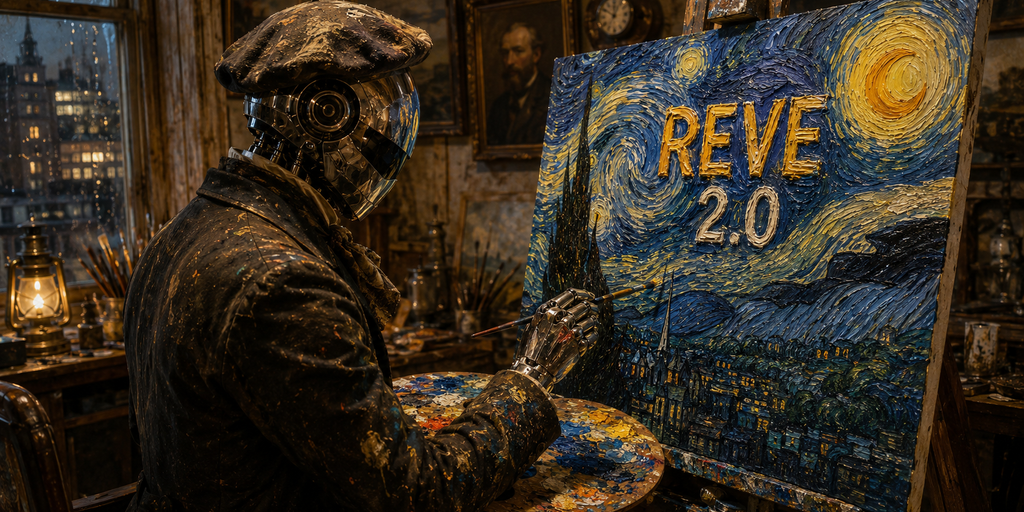
Reve 2.0 Review: The New Leader in AI Image Generation Control
The artificial intelligence (AI) startup that famously challenged Midjourney by offering high-quality images for just one penny is back with its latest version, Reve 2.0. This new update introduces a powerful 4K model designed for creators who need precise layout control. Unlike standard generators that often guess where elements should go, Reve 2.0 allows users to plan pictures like code, ensuring that every detail is exactly where it belongs. This release comes at a time when digital creators are looking for more affordable and reliable alternatives to expensive mainstream platforms.
How Reve 2.0 Changes the Game for Creators
Reve 2.0 stands out because it solves a major problem in the world of generative AI (the technology used to create new content like images or text from simple prompts): lack of precision. When using older AI models, getting a specific object to sit in a specific corner of an image was often a matter of luck. With Reve 2.0, users have structural oversight. This means the AI refuses fewer requests and follows complex instructions more accurately than its rivals. For beginners, this reduces the frustration of having to repeat a prompt (a text instruction given to an AI) dozens of times to get the right result.
Advanced Features and High-Resolution 4K Output
One of the most impressive updates in this version is the move to 4K resolution. High-resolution images are essential for professional use, such as web design or marketing materials. Furthermore, the pricing model remains a significant advantage. While many AI services require monthly subscriptions that can cost $30 or more, Reve 2.0 maintains its reputation for cost-efficiency. By making professional-grade tools available for a fraction of the cost, the platform is democratizing access to high-end digital media tools. This allows hobbyists and small business owners to compete with larger firms that have bigger budgets.
What This Means for USA Investors
For investors in the United States, the rise of Reve 2.0 highlights the growing intersection between AI and the broader digital asset economy. As AI tools become more integrated into the creator economy, there is increasing interest in how these technologies might utilize blockchain (a digital ledger that records transactions securelly) for copyright protection or micropayments. While Reve 2.0 is currently a traditional software service, its efficiency and low cost could disrupt the market for established tech stocks in the creative sector. Investors should watch how traditional players like Adobe or Google respond to these nimble, low-cost AI startups that are rapidly gaining market share through superior technical control.
Source: Decrypt