
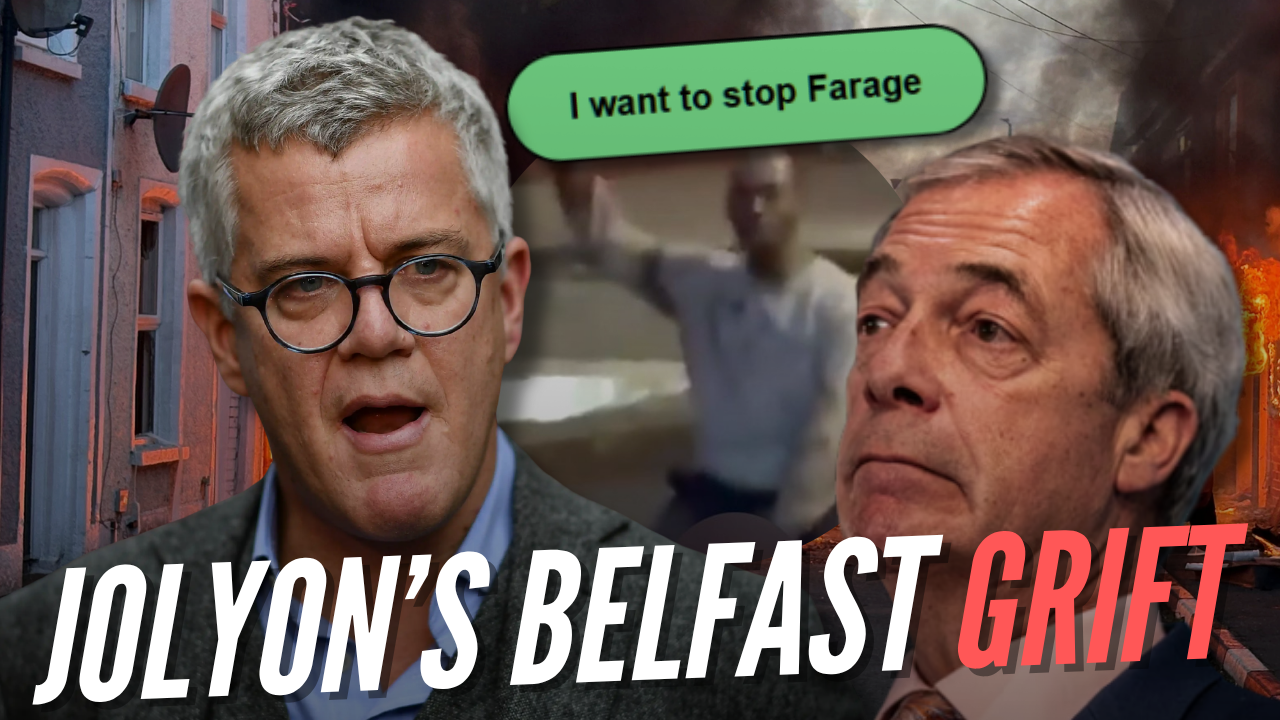
Quick Answer
The UK-based Good Law Project faces intense scrutiny for using recent Belfast unrest to solicit donations targeting political figures. This controversial intersection of legal advocacy and partisan fundraising mirrors regulatory debates in the United States regarding the limits of tax-exempt political activity and donor transparency.
Key Takeaways
- Good Law Project (GLP) is accused of leveraging Belfast protests for partisan funds.
- US legal observers compare these tactics to 501(c)(4) social welfare organization regulations.
- Critics argue GLP is engaging in "lawfare" against political rivals rather than victim aid.
- UK High Court has previously dismissed several GLP cases for lack of legal standing.
- Legislators in Northern Ireland urge external groups to avoid capitalizing on local tragedies.
The political and legal landscape in Northern Ireland has taken a controversial turn. Jolyon Maugham’s Good Law Project (GLP) currently faces significant scrutiny over its latest fundraising efforts following disturbances in Belfast.
By circulating appeals for financial support that target political figures like Nigel Farage, the GLP has sparked a fierce debate. Critics argue that leveraging the sensitive situation in North Belfast for partisan gain raises ethical questions.
These questions involve the intersection of legal advocacy and political campaigning. Modern state law frameworks often struggle to classify these hybrid entities that act as both litigants and lobbyists.
The Intersection of Legal Advocacy and Belfast Protests
Disturbances in North Belfast have been a focal point for international media recently. However, the transition from reporting on unrest to soliciting legal funds has caught many observers by total surprise.
The Good Law Project sent mass email communications shortly after the peak of the protests. These emails claimed that the Belfast unrest was fueled by specific political rhetoric from Reform UK leader Nigel Farage.
By positioning themselves as a shield, the GLP requested donations to bolster their legal activities. These activities are increasingly viewed as a form of litigious activism that blurs the lines between a courtroom and a ballot box.
The Transparency Debate
Organizations operating under public interest litigation are held to high transparency standards. The Belfast situation serves as a catalyst for a broader debate on whether non-profits should engage in direct political opposition.
- Mass email coordination targeting data lists.
- Claims of political rhetoric fueling civil unrest.
- Requests for funds to "stop" specific political leaders.
- A lack of direct financial aid for the local victims.
US Context and the Legalities of Political Fundraising
For an American audience, the tactics employed during the Belfast controversy mirror activities often seen in US 501(c)(4) social welfare organizations. These entities have more leeway than 501(c)(3) charities but still face limits.
In the United States, the Federal Election Commission (FEC) and the IRS maintain strict guidelines. If a US-based legal non-profit used Belfast unrest to target a politician, they would risk their tax-exempt status.
In Washington, D.C., and several state capitals, the use of "lawfare"—using legal systems to hinder political opponents—is frequently debated. The U.S. Department of Justice often monitors how these groups influence public policy.
Defining Lawfare in Civil Rights
The assertion that funds are needed to fight political figures using the Belfast backdrop is viewed as a form of partisan pressure. Legal experts suggest this undermines the neutrality of the justice system.
For more on how legal challenges affect marginalized communities, explore our coverage of civil rights litigation. The GLP’s record shows a pattern of high-profile cases being dismissed for lack of merit.
"Leveraging local tragedies for digital marketing campaigns can delegitimize the very causes legal groups claim to support, creating a disconnect from the actual community needs." — Legal Policy Analyst
Source Analysis: The Good Law Project’s Record
The Good Law Project has a history of costly legal defeats. By invoking the Belfast attack, the GLP is seen by many as attempting to regain momentum after these high-profile losses.
Skeptics point out that donor emails did not detail how funds would assist victims in Belfast. Instead, the money was slated for "national campaigns" against individual political figures in London.
This methodology has led to accusations of opportunism. When legal groups use international crises to expand donor bases, they risk losing the high ground required for public interest litigation.