
Quick Answer
The search for a former LSU coach new job is increasingly tied to federal legislation like the Protect College Sports Act. As the SEC evaluates new roster size limits and revenue-sharing models, coaching transitions now require navigating complex labor laws and antitrust safe harbors in the U.S. Senate.
Key Takeaways
- The Protect College Sports Act seeks to create a uniform national NIL standard.
- SEC leaders are preparing for a shift toward student-athletes being classified as employees.
- Coaching contracts are being adjusted to address potential direct revenue-sharing models.
- Former LSU coaches entering new roles must navigate a patchwork of conflicting state laws.
- Federal antitrust protection is the SEC's primary goal to stabilize staffing and recruiting.
The SEC Legislative Strategy and Coaching Stability
In the high-stakes conference rooms of Miramar Beach, Florida, Southeastern Conference (SEC) leaders are pivoting toward Washington D.C. for legal protection. The discussions surrounding a former lsu coach new job are no longer just about win-loss records; they are about federal compliance. At the heart of this shift is the Protect College Sports Act, which aims to provide schools with a safe harbor from antitrust litigation.
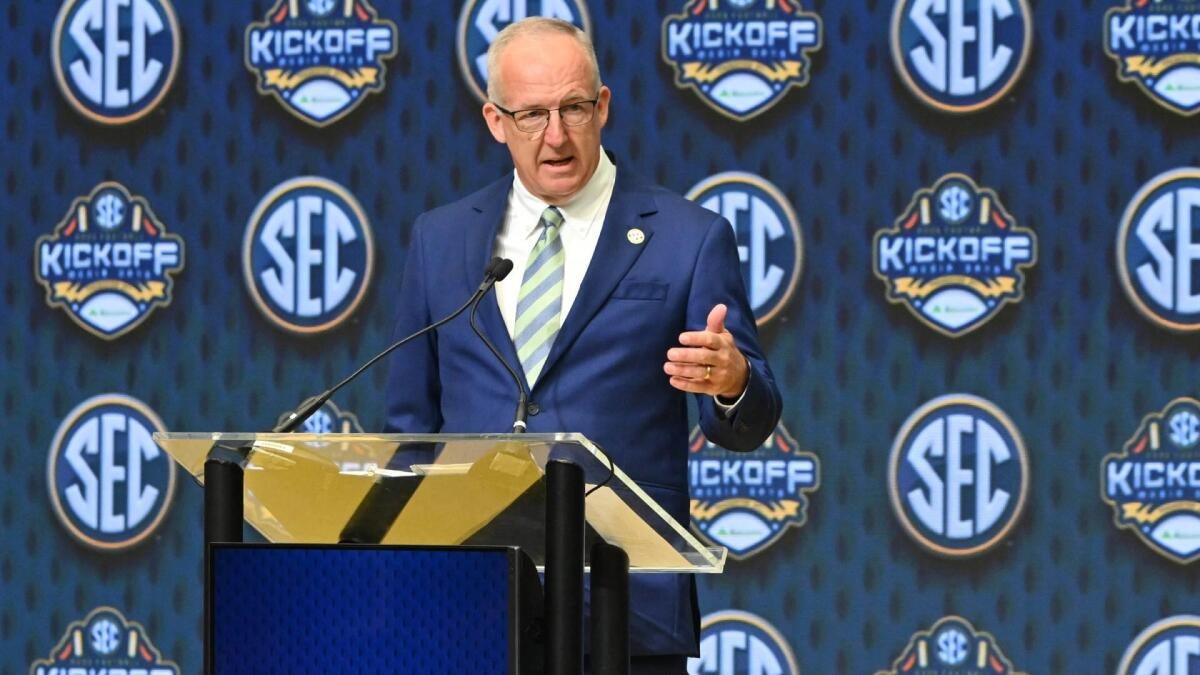
Commissioner Greg Sankey and university presidents recognize that the current model is unsustainable without federal intervention. If the bill passes, it would regulate the Name, Image, and Likeness (NIL) marketplace at a national level. This prevents individual states from passing laws that give their local universities an unfair recruiting advantage over peers in the SEC footprint.
For a high-profile coordinator or former LSU coach at a new program, this legislation dictates the legal boundaries of roster construction. According to recent SEC briefings, the goal is to prevent state legislatures from interfering with coaching contracts. This ensures that the conference remains a cohesive legal entity despite varying labor views in different jurisdictions.
Contingency Planning for SEC Roster Building
As SEC decision-makers evaluate radical workarounds, the structure of athletic departments is under the microscope. Historically, when a former lsu coach new job is finalized, it triggers a massive migration of support staff and analysts. However, new SEC discussions suggest that roster size limits may soon be coupled with direct revenue-sharing models with athletes.
In Baton Rouge, Louisiana, the legal landscape is particularly fluid due to aggressive state-level NIL adjustments. Under the proposed federal framework, the "bloated" support staffs seen at many Power Five programs could be capped to fund athlete compensation. This would fundamentally change how a head coach builds their internal infrastructure when moving to a new program.
Impact on Assistant Coaches and Analysts
- Roster caps may limit the number of off-field analysts a coach can hire.
- Employment contracts may include new clauses regarding federal NIL reporting.
- Support staff roles might be repurposed to manage revenue-sharing compliance.
- State-specific employment laws in the South are being challenged by federal preemption.
Federal Legislation vs. State Autonomy
The SEC is pushing for a uniform national standard to avoid the "patchwork" of laws currently creating chaos in the transfer portal. For any former lsu coach new job seeker, the stability of the conference's legal standing is a primary selling point. This effort is largely managed through the Department of Justice's ongoing oversight of antitrust issues in sports.
"We need a national standard. The current environment of litigation and conflicting state laws is not sustainable for the long-term health of collegiate athletics," stated an SEC official during the spring meetings.
By aligning with federal lawmakers, the SEC hopes to insulate its members from the threat of athlete unionization. This move is crucial for maintaining the financial predictability required to sign long-term coaching extensions. You can learn more about how these changes affect local regulations in our State Law category for deeper context.
Conclusion: A New Era for SEC Staffing
The transition for any coach leaving or joining the SEC is now a matter of federal interest. Whether it involves tracking a former lsu coach new job or managing a multi-million dollar revenue pool, the focus is on legitimacy. The conference is preparing for a future where contracts are as much about legal defense as they are about on-field performance.
As these bills move through the United States Senate, the SEC will likely remain the most proactive conference in seeking federal relief. For more on how these regulations impact broader civil liberties in sports, visit our Civil Rights section. The era of the unregulated coaching search is coming to an end, replaced by a strictly codified federal model.