Africa’s Crypto Crackdown Evolves into a Remittance Revolution
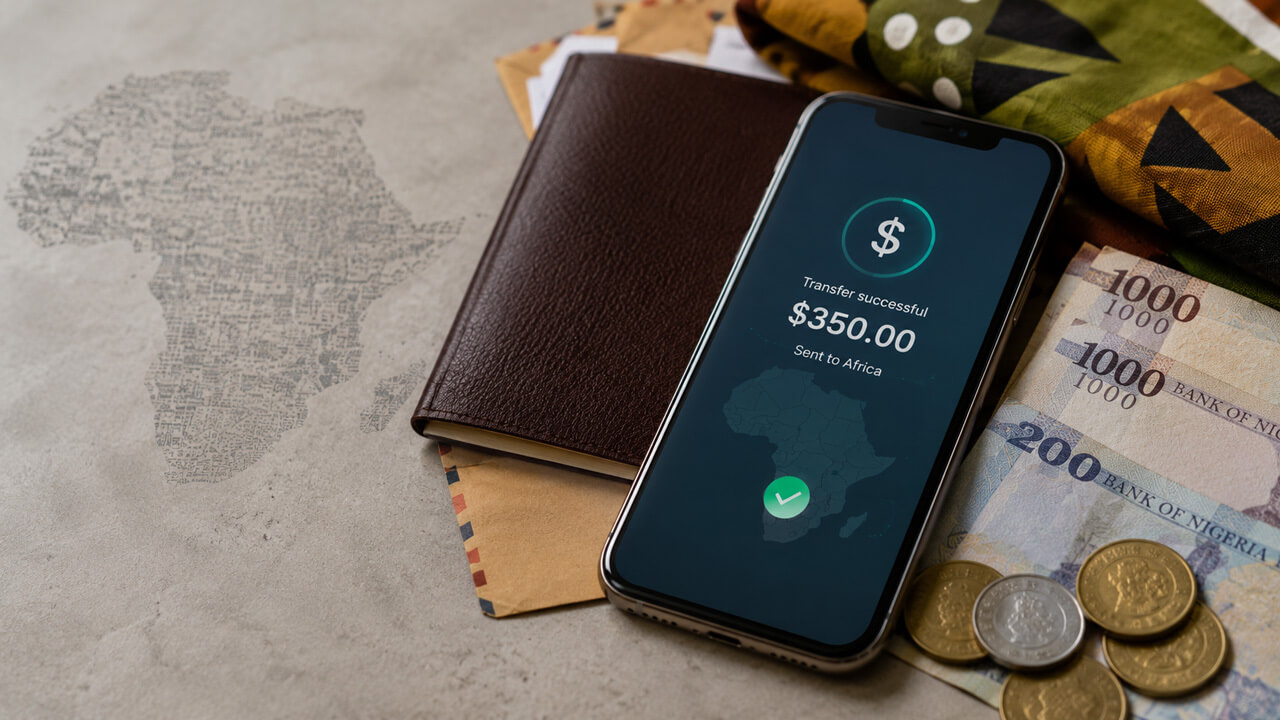
Major African economies are shifting their strategy from outright bans to formal regulation, marking a significant milestone for the global cryptocurrency market. For years, several governments across the continent viewed digital assets with suspicion, often issuing warnings or strict prohibitions. However, the high demand for cross-border payments and remittances (money sent by workers to their home countries) has pushed leaders in Nigeria, South Africa, and Kenya to integrate digital assets into the formal financial system through licensing and stablecoin (cryptocurrencies pegged to a stable asset like the US Dollar) oversight.
The Shift from Bans to Licensing Regimes
Historically, Africa has faced some of the highest transaction fees in the world for sending money across borders. Despite government resistance, local populations adopted peer-to-peer (P2P) trading to bypass traditional banking hurdles. This grassroots adoption has been so massive that governments can no longer ignore it. Instead of fighting the tide, countries are now developing licensing frameworks for exchanges. By establishing these rules, authorities aim to collect taxes and prevent fraud while allowing the technology to flourish under government supervision.
Stablecoins have emerged as the primary tool for this revolution. Because they offer a way to hold value in a digital version of the US Dollar, they provide a hedge against high inflation and local currency devaluation. Regulators are now focusing on stablecoin oversight to ensure that these assets are fully backed by reserves. This move helps protect consumers from the volatility often associated with assets like Bitcoin. By formalizing these digital dollars, African nations are essentially building a more efficient rails for the future of international trade.
What This Means for USA Investors
For investors in the USA, the legalization and regulation of crypto in Africa represent a massive growth opportunity for fintech (financial technology) companies and payment providers. As these markets become regulated, it lowers the risk for American venture capital firms to invest in African startups. Furthermore, the increased use of dollar-backed stablecoins across the continent strengthens the global utility of the US Dollar in a digitized format. If Africa successfully integrates crypto into its mainstream economy, it could serve as a blueprint for other emerging markets, potentially driving up the long-term value of the infrastructure behind these payment networks.
Source: CryptoSlate