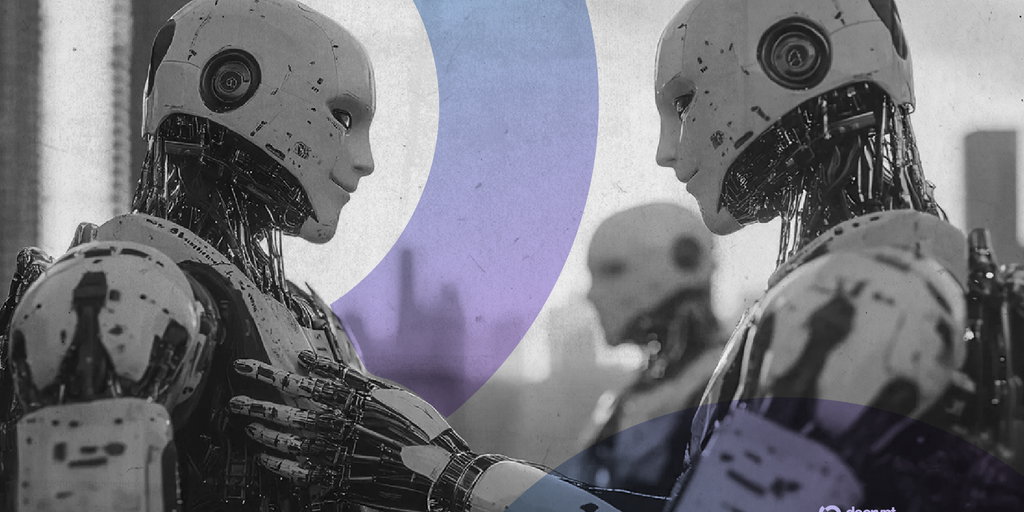
Alibaba Qwen-Robot: The New Operating System for the Robot Economy
Chinese tech giant Alibaba recently announced the development of Qwen-Robot, a specialized operating system designed specifically for the "robot economy." This launch marks a significant step in the field of Embodied AI (artificial intelligence that can interact with the physical world through sensors and physical movement). By creating a standardized software platform, Alibaba aims to simplify how robots process information and complete complex tasks, moving beyond simple digital chatbots to machines that can work in factories, homes, and offices. This move comes as global competition in the AI sector reaches new heights, with major players racing to dominate the intersection of software and physical automation.
Understanding Embodied AI and the Robot Economy
To understand Qwen-Robot, one must first understand Embodied AI (AI that has a physical 'body' like a robot). Unlike regular Artificial Intelligence (computer systems designed to perform tasks that typically require human intelligence), Embodied AI allows a machine to perceive its surroundings and react in real-time. Alibaba’s goal with Qwen-Robot is to provide a unified Operating System (the primary software that manages computer hardware and software resources) for these machines. Think of it like Windows for computers or Android for phones, but specifically built for robots that need to move, pick up objects, and navigate through human environments. By doubling down on this technology, Alibaba is positioning itself as a foundation layer for future robotics companies.
The Potential Impact on Global Supply Chains
The introduction of a specialized robot operating system could revolutionize logistics and manufacturing. If developers adopt Alibaba's Qwen-Robot system, it could lead to faster production times and more affordable robots. Standardizing how robots "think" and "act" reduces the cost for smaller companies to enter the field. This evolution is part of a broader trend called the "Robot Economy," where automated systems take over repetitive tasks, potentially increasing efficiency but also raising questions about future job markets and the reliance on specific tech ecosystems. Alibaba’s Qwen models have already shown strength in language processing, and bringing that capability to physical machines is the next logical step in their expansion.
What This Means for USA Investors
For investors in the USA, Alibaba’s move into robotics highlights the growing divide and competition between American and Chinese tech sectors. While Alibaba is a major player on the global stage, US-based investors should be aware of Regulation (the rules and laws made by a government) regarding international tech trade and AI safety standards. The success of Qwen-Robot could influence the stock prices of competitors like Tesla, which is developing its own robot called Optimus. Furthermore, for those interested in Altcoins (any cryptocurrency other than Bitcoin) related to AI and decentralized computing, this news signals that the underlying technology for autonomous machines is maturing rapidly, which could drive value into AI-focused blockchain projects.
Source: Decrypt