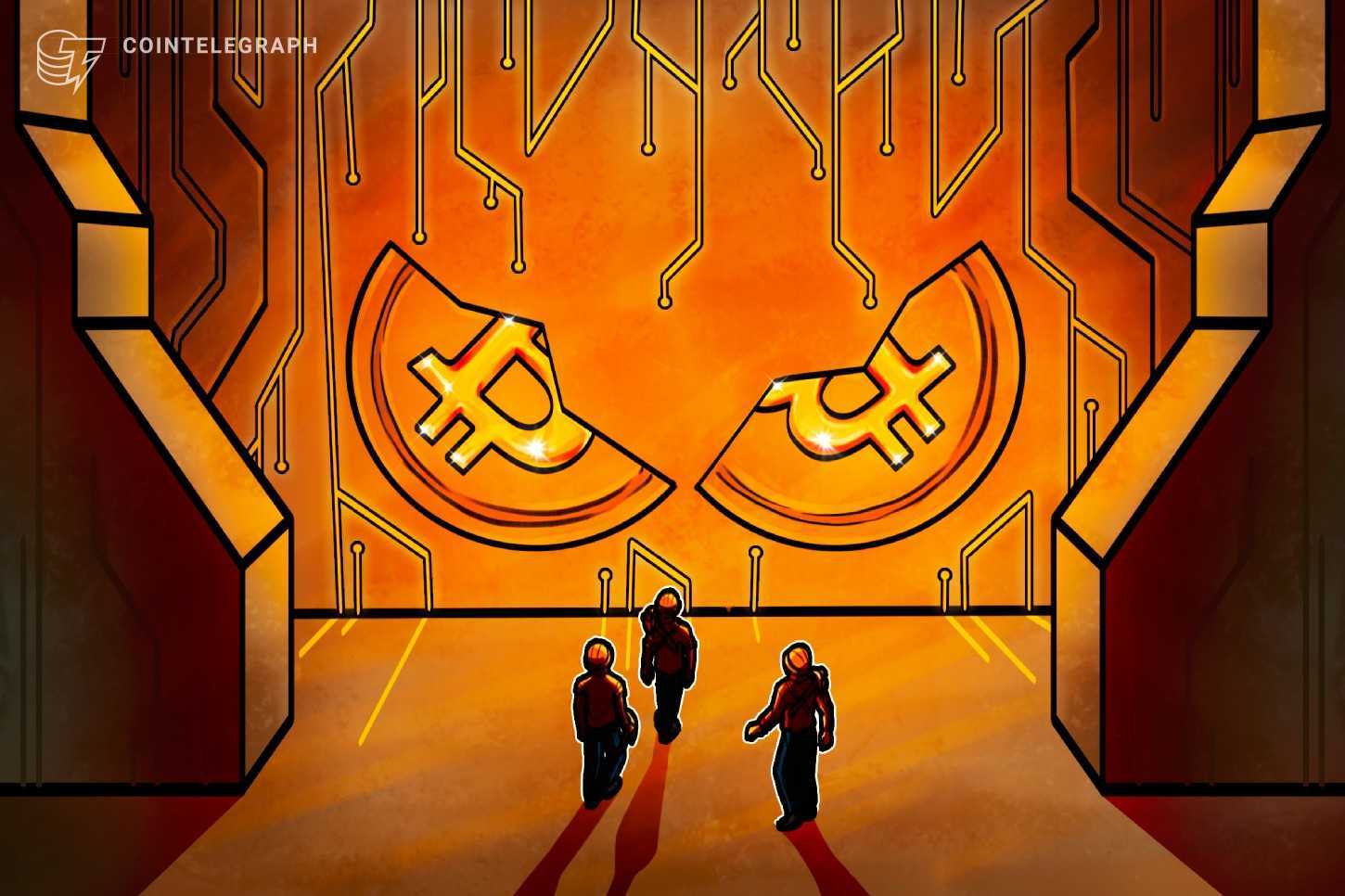
Bitcoin Miners Shift Focus to AI as Market Trends Evolve
The cryptocurrency world is witnessing a major transformation as Bitcoin miners (people or companies using powerful computers to secure the network and earn rewards) are increasingly turning toward Artificial Intelligence (AI) to sustain their business models. This strategic pivot comes alongside a massive surge in Real-World Assets (RWAs) — physical assets like property or gold turned into digital tokens — which have now topped a $43 billion valuation. Meanwhile, Ripple is expanding its payment infrastructure across Africa, while legal developments continue to shape the industry following Sam Bankman-Fried’s lost appeal. These shifts signify a maturing market where companies are diversifying beyond simple coin production to provide high-tech computing power for the global AI boom.
The Great Computing Pivot: From Mining to AI
For years, Bitcoin mining firms have built massive data centers filled with specialized hardware. However, since the most recent halving (an event that cuts the reward for mining new blocks in half), profit margins for traditional miners have tightened significantly. To adapt, many firms are repurposing their cooling systems and electrical infrastructure to host AI workloads. AI requires immense computational power, much like crypto mining, but often offers more stable revenue streams through long-term contracts with tech companies. This transition allows miners to hedge against the volatile price of Bitcoin while staying relevant in the broader technology sector.
Real-World Assets and Ripple’s Global Reach
Another major headline in the crypto business world is the explosion of tokenized RWAs (Real-World Assets). These are digital representations of traditional investments like bonds or real estate on a blockchain (a secure digital ledger). With the sector reaching over $43 billion, it is clear that institutional investors are becoming more comfortable with blockchain technology. Parallel to this, Ripple is strengthening its payments network in Africa. By using XRP to facilitate cross-border transactions, Ripple aims to lower fees and increase the speed of money transfers in regions that have historically been underserved by traditional banks. This move highlights the practical utility of crypto beyond mere speculation.
What This Means for USA Investors
For investors in the United States, these developments suggest that the crypto market is becoming more integrated with the traditional economy. If you own shares in public mining companies, their shift toward AI service providing could mean less exposure to Bitcoin's price swings and more exposure to the tech growth sector. Furthermore, the growth of RWAs means that in the near future, you might be able to buy fractions of a US Treasury bill or a commercial building as easily as you buy Bitcoin. The legal clarity provided by the conclusion of major court cases, like the FTX appeal, also helps build a safer environment for retail investors by removing bad actors from the ecosystem.
Source: CoinTelegraph