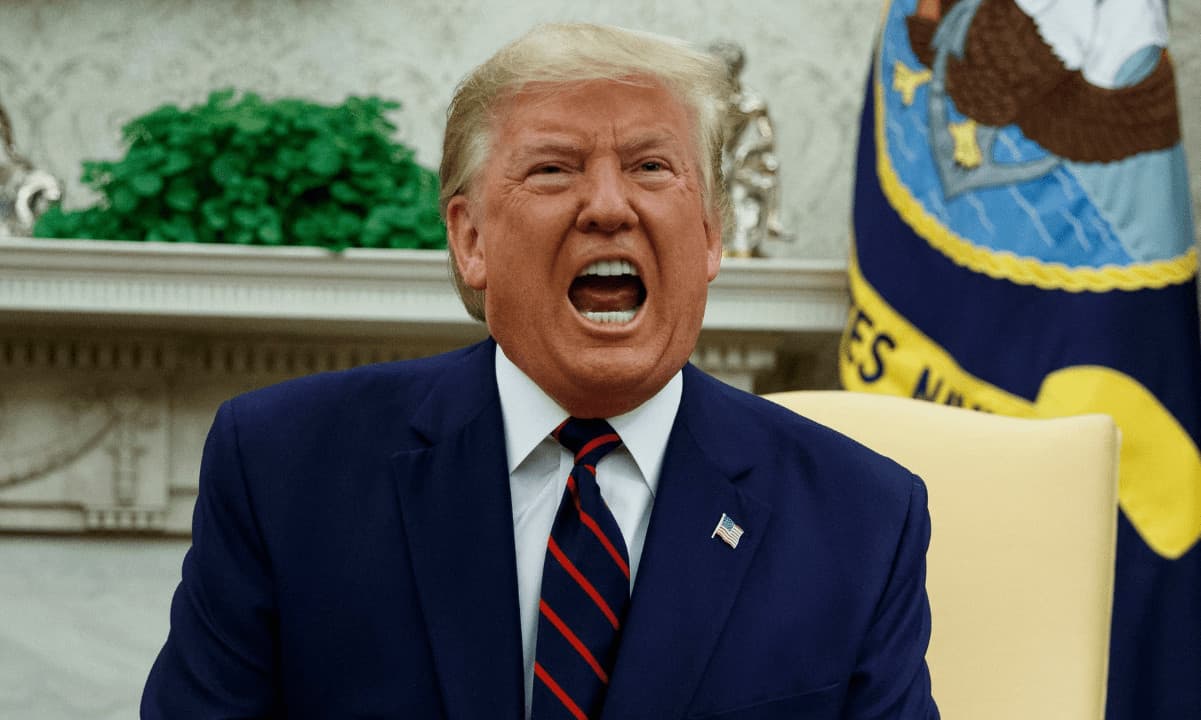
Bitcoin Price Stability Amid Trump Iran Conflict Warnings
In a sudden turn of events this week, President Donald Trump issued fresh warnings of military strikes against Iran, casting a shadow over scheduled high-level diplomatic talks in Switzerland. This geopolitical tension has immediate implications for Bitcoin (the first and largest decentralized digital currency) as investors globally react to potential instability. While many view Bitcoin as a 'safe haven' asset similar to gold, sudden war threats often trigger volatile price swings in the broader financial markets, leaving beginner investors wondering if their digital assets are at risk.
Understanding the Global Market Reaction
When tensions rise between major nations, traditional stock markets often experience a sell-off. Bitcoin, however, has a complicated relationship with global conflict. Sometimes, investors flock to it to protect their wealth from failing local currencies. Other times, if there is a massive 'risk-off' sentiment, traders might sell their Bitcoin to hold cash. The latest comments from Trump occurred just as peace talks were set to begin, creating a sense of uncertainty that typically leads to higher volatility (sharp price movements up or down in a short period).
The Role of Geopolitics in Crypto
Geopolitics refers to how international relations and geography affect politics and the economy. For the crypto world, news of potential strikes can disrupt mining operations or lead to stricter regulations on cross-border payments. In the case of the US and Iran, any disruption in the Middle East can also lead to rising oil prices. Historically, when energy costs rise, the cost of Bitcoin mining (the process of using powerful computers to secure the network and create new coins) also increases, which can influence the long-term price floor of the asset.
What This Means for USA Investors
For investors in the United States, the primary concern is how these headlines impact domestic trading platforms and tax implications. If the conflict escalates, the US government might tighten 'Know Your Customer' or KYC (the process of verifying a user's identity) rules to prevent international sanctions evasion. USA investors should remain calm and avoid 'panic selling' based on headlines alone. Historically, Bitcoin has shown resilience over long periods despite short-term geopolitical shocks. It is essential to keep an eye on official policy changes from the SEC (Securities and Exchange Commission) during times of international unrest.
Source: CryptoPotato