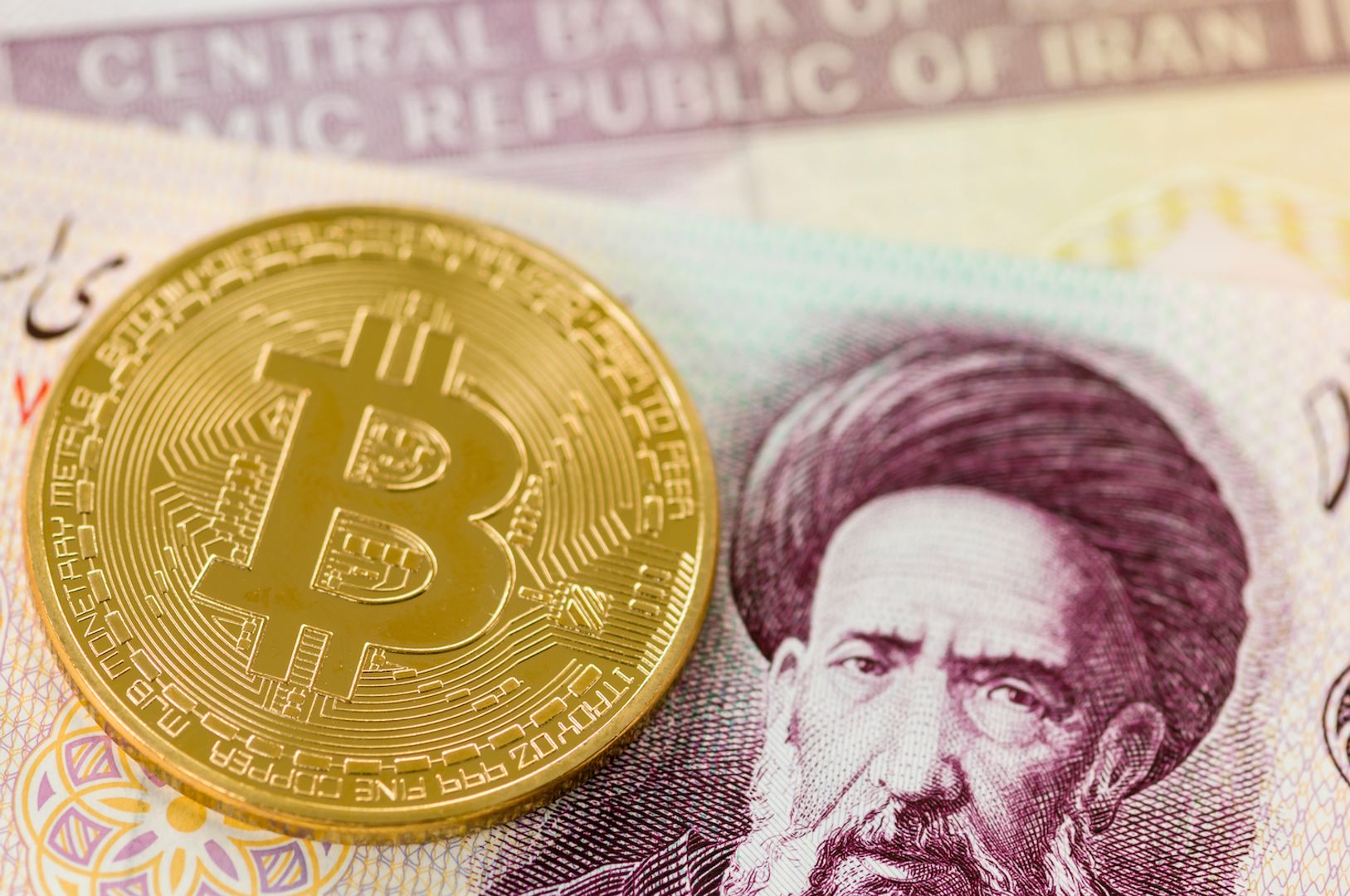
Bitcoin Hits Two-Week High Above $65,500 as Oil Prices Drop
On June 15, 2026, Bitcoin (the world's first decentralized digital currency) surged to a two-week high, climbing above the $65,500 mark. This sudden price jump followed breaking news of a peace agreement between the United States and Iran. The deal, which includes the reopening of the Strait of Hormuz, has stabilized global energy concerns. As oil prices began to slide, investors shifted their focus toward risk assets (investments like stocks or crypto that have higher volatility but potential for higher returns), leading to a significant rally across the cryptocurrency market.
Understanding the Link Between Oil and Bitcoin
For many months, geopolitical tensions had kept a 'risk premium' on oil prices, meaning prices were higher because of the fear of war or supply disruptions. When the US-Iran deal was announced, that fear evaporated. As the price of oil fell, the liquidity (the ease with which an asset can be turned into cash) in the financial markets began to flow toward more speculative sectors. Bitcoin, often viewed as a leader in the digital asset space, benefited most from this change in market sentiment.
Market analysts note that when global tension decreases, investors are more willing to hold assets that are not tied to physical commodities. This shift is part of a broader trend where Bitcoin behaves as a barometer for global risk appetite. When the world feels safer, people are more likely to buy BTC, pushing the price toward new resistance levels (a price point where selling pressure usually prevents an asset from rising further).
The Impact of the Strait of Hormuz Reopening
The Strait of Hormuz is a vital waterway for global energy shipments. Its reopening ensures that oil can flow freely again, which lowers inflation (the rate at which prices for goods and services rise) expectations. Lower inflation often suggests that central banks might stop raising interest rates, which is historically good news for the crypto market. As the cost of borrowing stays stable, institutional investors often move capital into the crypto ecosystem to seek better yields than traditional savings accounts provide.
What This Means for USA Investors
For investors in the United States, this price movement highlights how closely Bitcoin is tied to global politics. While crypto is often called 'digital gold,' it currently moves in sync with other risk-on assets. USA-based traders should watch for continued stability in the Middle East, as further peace developments could sustain this bullish (a market condition where prices are rising) trend. However, it is important to remember that the crypto market remains highly volatile. Rising prices can lead to 'FOMO' (fear of missing out), so beginners should always practice proper risk management and never invest more than they can afford to lose.
Source: CoinDesk