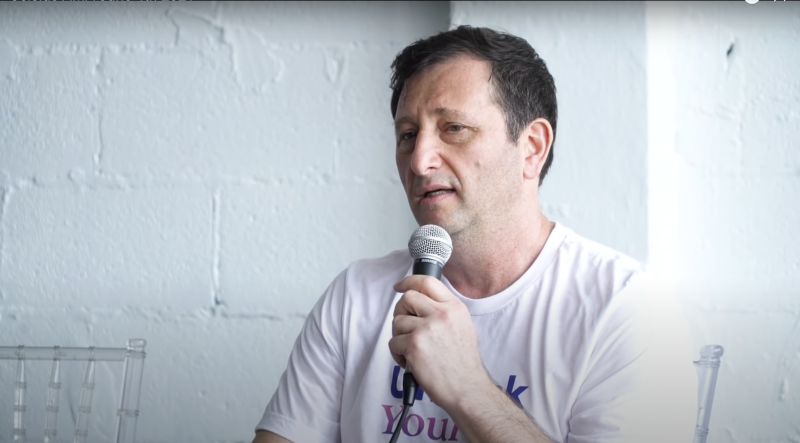
CFTC Issues Permanent Trading Ban for Former Celsius CEO Alex Mashinsky
The Commodity Futures Trading Commission (CFTC)—the U.S. government agency that regulates derivative markets—has officially entered into a settlement with Alexander Mashinsky, the former CEO of the collapsed crypto lender Celsius Network. This legal agreement, announced recently, imposes a permanent ban on Mashinsky, prohibiting him from ever trading commodities or digital assets again. This news follows the dramatic downfall of Celsius, which left thousands of everyday investors unable to access their funds when the platform filed for bankruptcy in 2022.
The Fall of Celsius and the Legal Aftermath
Celsius was once a giant in the crypto world, promising users high interest rates on their deposits. However, federal regulators found that the company misled customers about its financial health and the risks involved with its lending practices. Alexander Mashinsky was at the heart of these operations. While he is already serving a 12-year prison sentence for related fraud charges, this new settlement with the CFTC ensures that even after his release, he cannot participate in the financial markets he once influenced.
A permanent trading ban is one of the most severe civil penalties a regulator can issue. It means Mashinsky cannot buy, sell, or trade any commodities (assets like gold, oil, or Bitcoin that are traded on exchanges) or act as an intermediary for others. The settlement effectively removes him from the regulated financial ecosystem of the United States forever, serving as a symbolic and practical end to his career in the crypto industry.
How Regulators Are Cleaning Up Crypto
This action by the CFTC highlights a growing trend of strict enforcement in the cryptocurrency space. Agencies are no longer just issuing fines; they are actively removing bad actors from the industry to prevent future harm. For beginners, it is important to understand that crypto is becoming more regulated, which helps weed out platforms that operate like "Ponzi schemes"—operations where old investors are paid with new investors' money rather than actual profit. By settling this case, the CFTC sends a clear message that leaders will be held personally accountable for the failure of their platforms.
What This Means for USA Investors
For investors in the USA, this settlement provides a sense of justice but also serves as a critical warning. First, it proves that US regulators like the CFTC and the SEC (Securities and Exchange Commission) have the reach to hold crypto executives accountable, even if the technology seems complex. Second, it reinforces the need for "Due Diligence" (the process of researching a company before investing). If a platform offers returns that seem too good to be true, it likely is.
Investors should look for platforms that are transparent about their reserves and compliant with US laws. While this settlement does not immediately return lost funds to Celsius victims, it strengthens the legal framework that protects future investors from similar mismanagement. It marks a shift toward a safer, more transparent market where fraudulent behavior has permanent consequences.
Source: The Block