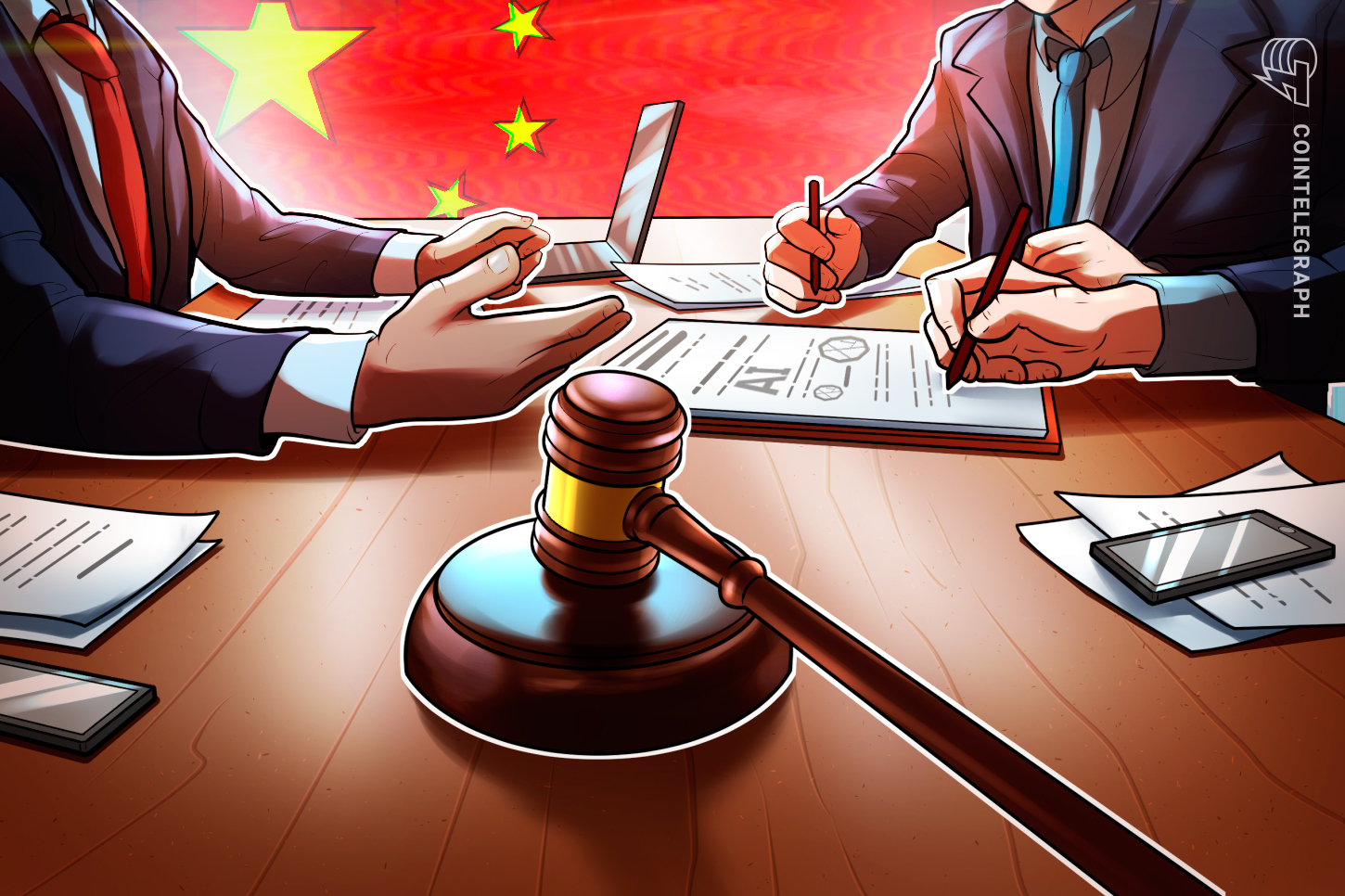
China Increases Monitoring of Stablecoins for International Trade
A senior official from the People’s Bank of China (PBOC), which is the country’s central bank, has recently called for more intensive monitoring and stronger regulation of stablecoins (digital currencies designed to have a steady value, often pegged to the U.S. dollar). As these digital assets take on a larger role in global payments, Chinese officials believe that international coordination is now necessary to prevent financial risks and ensure systemic stability across borders.
The Growing Role of Stablecoins in Global Payments
In a recent public statement, the PBOC highlighted that stablecoins are no longer just a tool for crypto trading; they are becoming a vital part of the global financial infrastructure. This shift is particularly evident in how businesses handle cross-border payments, where traditional bank transfers can be slow and expensive. Stablecoins offer a faster alternative, but their decentralized nature makes it harder for traditional banks to track where the money is going.
The central bank official emphasized that as the use of these assets grows, the potential for them to impact traditional fiat currencies (government-issued money like the Dollar or Yuan) also increases. This is why China is pushing for a more standardized approach to how these assets are managed on a global scale, suggesting that no single country can regulate them effectively alone.
International Cooperation and Financial Safety
One of the primary concerns raised by the PBOC is the risk of money laundering and the potential for stablecoins to bypass capital controls (rules a country uses to limit the flow of foreign money in and out of its economy). To combat this, the central bank suggests that the G20 and other international bodies should establish clear rules that all countries follow. This would include stricter KYC (Know Your Customer) rules, which require financial services to verify the identity of their users.
By harmonizing these rules, the PBOC hopes to create a transparent environment where digital assets can be used without threatening the integrity of the global financial system. The focus is specifically on "compliance," which means making sure all crypto activities follow the law, and ensuring that stablecoin issuers have enough reserves (physical cash or assets held to back the value of the coin) to meet their promises to users.
What This Means for USA Investors
For investors in the United States, China’s move toward stricter stablecoin regulation serves as a signal that the "Wild West" era of digital assets is coming to an end. Increased scrutiny from global powers like China often leads to similar discussions in the U.S. Congress and the SEC (Securities and Exchange Commission). If international standards are adopted, USA-based stablecoin issuers like Circle (USDC) or Tether (USDT) may face new reporting requirements that could influence their market availability.
While more regulation might sound restrictive, it often brings more institutional money into the market, as big banks feel safer using regulated assets. Beginners should watch for how these rules affect the "peg" or stability of their favorite stablecoins. If a country as large as China demands more transparency, it generally leads to a safer ecosystem for everyone involved, even if it feels less private in the short term.
Source: CoinTelegraph