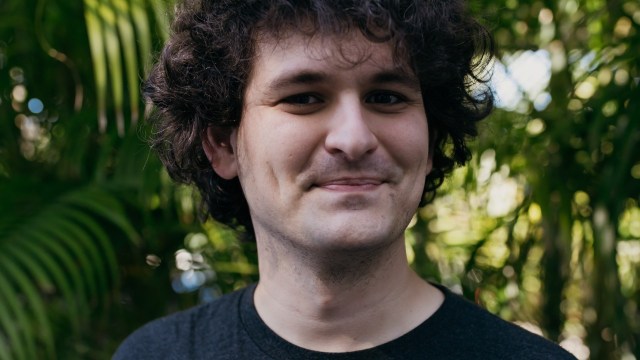
U.S. Appeals Court Denies Sam Bankman-Fried's Request for a New Trial
On Thursday, a panel of judges from the Second Circuit Court of Appeals officially rejected a bid by Sam Bankman-Fried (the former CEO of the collapsed FTX exchange) to overturn his conviction and secure a new trial. Seeking to challenge his 25-year prison sentence, the legal team for Bankman-Fried argued that the original trial was unfair. However, the three-judge panel determined that the previous legal proceedings were conducted properly, effectively keeping the disgraced crypto founder behind bars. This decision marks a significant moment in the cleanup of the 2022 crypto market crash, as the justice system solidifies the consequences for one of the largest financial frauds in American history.
The Argument for a New Trial Dismissed
Attorneys for Bankman-Fried attempted to argue that the trial judge inappropriately restricted the defense's ability to present evidence. Specifically, they claimed they should have been allowed to argue that FTX customers might eventually get their money back through the bankruptcy recovery process. In the legal world, an appeal (a formal request for a higher court to review a lower court's decision) is a standard move for high-profile defendants. However, the appeals court ruled that whether or not customers are eventually repaid does not change the fact that the money was stolen at the time the crime occurred.
The court also addressed concerns regarding the fairness of the jury selection and the instructions given to them. In cryptocurrency terms, a blockchain (a digital ledger that records all transactions) provides a transparent trail, but in this case, the focus was on the misappropriation of funds—taking money that belongs to users and using it for private investments or debt repayment. The judges found no evidence that the trial court made errors significant enough to warrant a complete do-over of the case.
Understanding the FTX Collapse and Its Impact
To understand why this ruling matters, one must look back at the collapse of FTX in November 2022. FTX was a cryptocurrency exchange (a digital platform where users can buy and sell coins like Bitcoin). When it failed, it was revealed that billions of dollars in customer deposits had been moved to a sister company called Alameda Research. This led to a liquidity crisis (a situation where a company does not have enough cash to meet immediate demands) and left millions of investors unable to access their savings.
Bankman-Fried was ultimately convicted on seven counts of fraud and conspiracy. Prosecutors argued that he used customer funds to live a lavish lifestyle, make political donations, and cover losses in his private trading firm. The appeals court's refusal to grant a new trial reinforces the idea that the internal "backdoor" created to move funds was a clear violation of the law, regardless of the defense's claims of accidental mismanagement.
What This Means for USA Investors
For everyday crypto holders in the United States, this ruling is a sign that the legal system is taking digital asset fraud seriously. It suggests that the "wild west" era of crypto is being reined in by traditional laws. If you have assets on an exchange, this outcome highlights the importance of using platforms that provide proof-of-reserves (a way for an exchange to prove they actually have the money they claim to have). It also signals that the U.S. government is committed to protecting retail investors (regular individuals who invest small amounts of money) from bad actors in the space.
The finality of this decision brings a sense of closure to the FTX saga. While the bankruptcy proceedings continue to try and return funds to victims, the criminal aspect of the case is now largely settled. Investors should remain cautious and prioritize security by using hardware wallets (physical devices that store crypto offline) to keep their coins safe from exchange-related risks.
Source: Bitcoinist