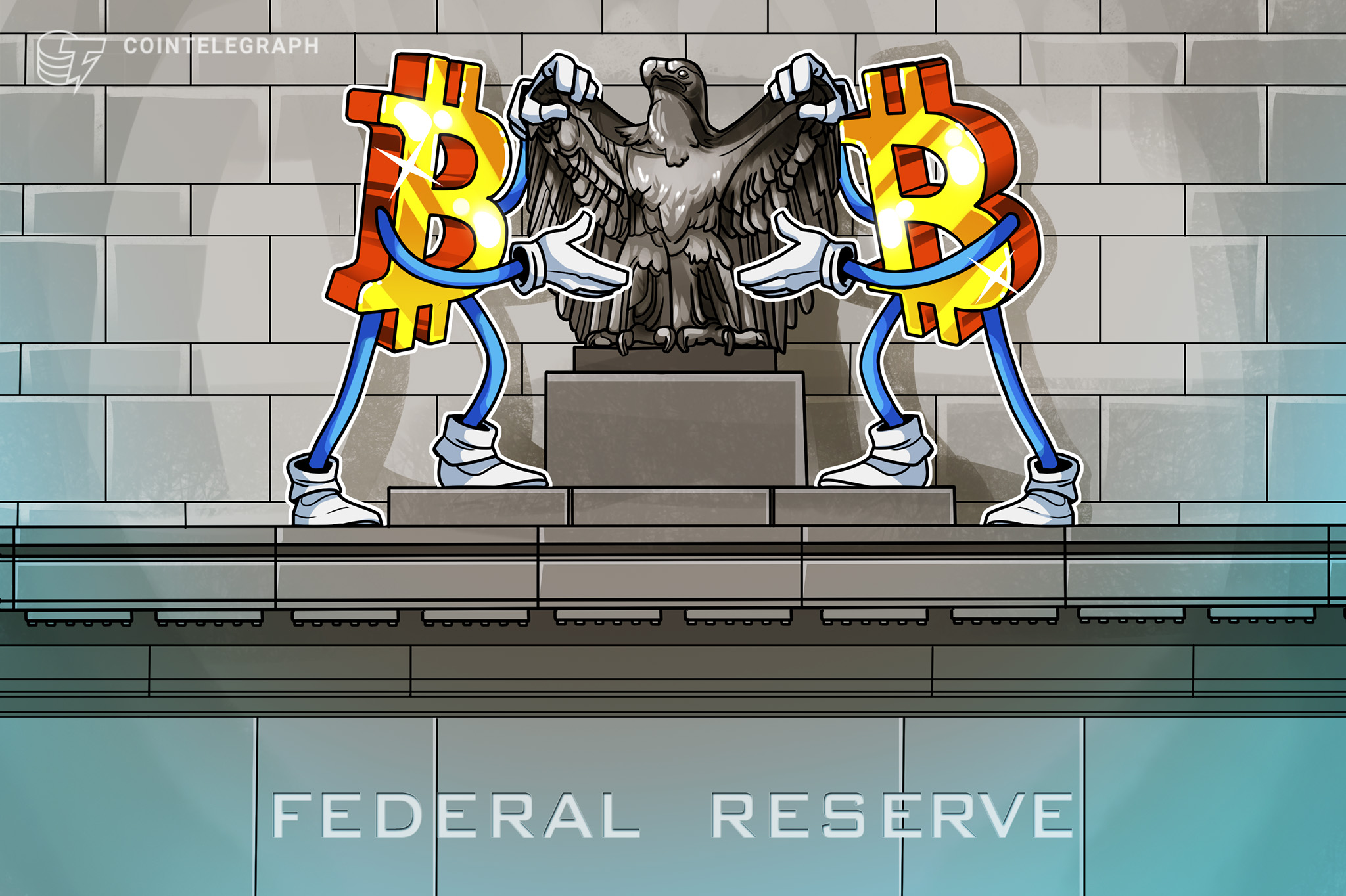
Crypto Markets Face Uncertainty After Shifting Fed Policy and Global Tension
The global cryptocurrency market is currently navigating a period of high volatility after recent comments from President Donald Trump regarding the Iran peace deal and a shift in direction from Federal Reserve (the central banking system of the U.S.) nominee Kevin Warsh. Investors are closely watching how these macroeconomic developments influence the price of Bitcoin and other digital assets. As the FOMC (Federal Open Market Committee, the group that sets interest rates) prepares for its next move, the crypto market is trading cautiously, reflecting concerns over potential liquidations and shifting investor sentiment.
Understanding the Impact of Federal Reserve Policy
When the Federal Reserve signals a change in its approach, it often dictates the flow of capital in and out of "risk-on" assets like cryptocurrencies. Kevin Warsh, a key figure being considered for a leadership role at the Fed, has indicated a new economic direction that could prioritize fighting inflation (the rate at which prices rise) through stricter monetary policy. For crypto holders, this usually means that if the Fed raises interest rates, traditional savings accounts become more attractive, often leading to a sell-off in the crypto space as investors move money into lower-risk options.
Furthermore, the FOMC meetings are critical checkpoints for the market. Currently, the sentiment is one of "treading on thin ice" because the market had previously priced in a more relaxed approach to interest rates. When high-ranking officials suggest a pivot toward more hawkish (aggressive or restrictive) policies, it can create a ripple effect, causing digital assets to lose value as liquidity—basically the ease with which you can buy or sell an asset without changing its price—tightens across global exchanges.
Global Political Tensions and Market Stability
In addition to domestic financial policy, international relations play a massive role in how the crypto market performs. President Trump’s recent comments regarding the Iran peace deal have added a layer of geopolitical (international political) risk. Historically, when there is uncertainty in the Middle East or changes in major peace treaties, investors often look for "safe-haven" assets. While Bitcoin is sometimes called "digital gold," it still tends to fluctuate wildly during the initial moments of political unrest.
The current climate suggests that the correlation—the relationship between two assets' price movements—between crypto and traditional stock markets remains high. If global tensions lead to a drop in the S&P 500, crypto markets often follow suit. This makes it essential for beginner investors to keep an eye on the news cycle, as headlines regarding international diplomacy can trigger automated trading bots to sell off assets in milliseconds, leading to sudden price drops.
What This Means for USA Investors
For investors based in the United States, these developments emphasize the importance of a long-term strategy. The combination of Fed policy changes and political comments means that short-term price swings are likely. If you are holding crypto in a U.S.-based exchange, you may see your portfolio value fluctuate significantly over the coming weeks as the market digests these updates. It is a reminder that the crypto market does not exist in a vacuum; it is deeply tied to the same economic forces that govern the dollar and the stock market.
Experts suggest that American investors should monitor the Fed's dot plot—a chart that shows where officials think interest rates will be in the future—to gauge the next major move for Bitcoin. While the "thin ice" metaphor suggests danger, it also represents a period of consolidation where the market decides its next big direction. Diversification and staying informed through reliable news sources are the best tools for navigating this period of uncertainty.
Source: CoinTelegraph