Ethereum MEV Bot Jaredfromsubway Drained of $7.5 Million in Smart Contract Hack
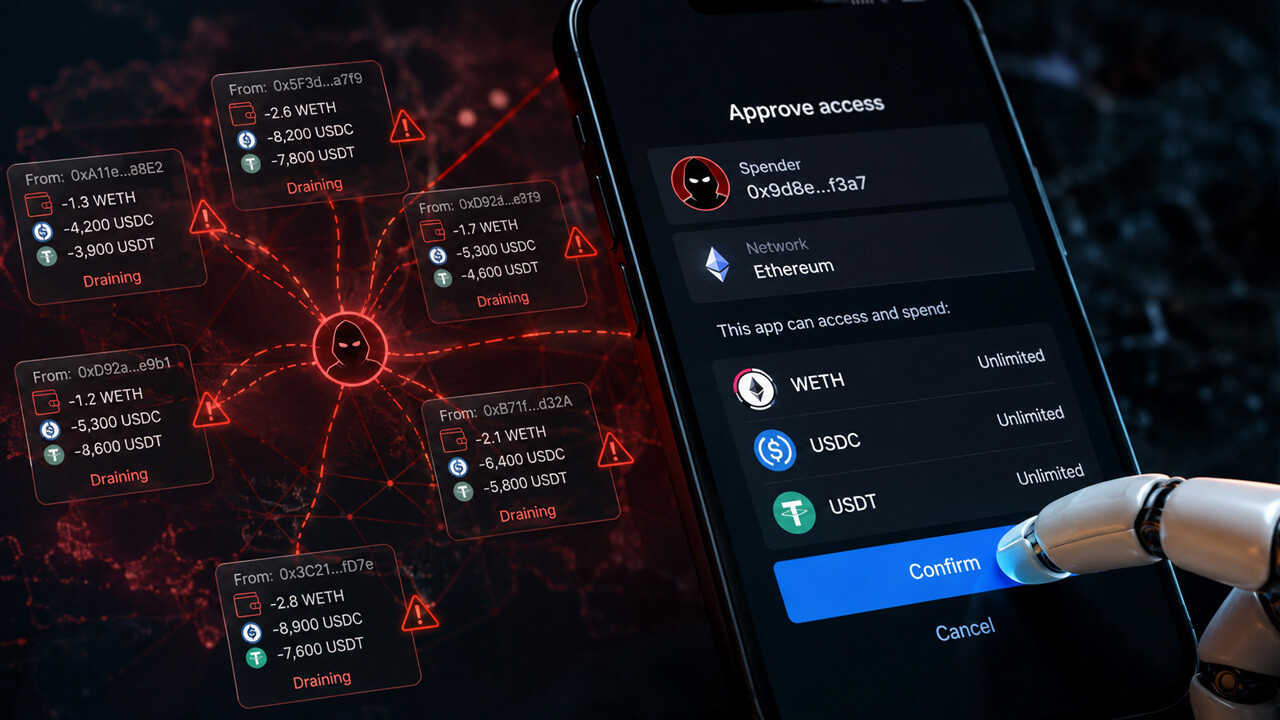
The notorious Ethereum (the second-largest blockchain) trading tool known as Jaredfromsubway.eth was drained of approximately $7.5 million this week. On Tuesday, the automated system, which is responsible for a massive portion of Ethereum's daily activity, accidentally approved its own theft. Hackers utilized a flaw in how the bot grants permissions to trade new tokens, allowing them to pull funds directly from the bot's wallet. This event highlights the growing risks associated with automated trading and the complex world of Maximal Extractable Value (MEV).
Understanding the Jaredfromsubway MEV Bot
An MEV bot (a computer program that identifies and executes profitable trades by reordering transactions in a block) like Jaredfromsubway specializes in "sandwich attacks." In a sandwich attack, the bot spots a user's pending trade to buy a token, buys it first to raise the price, let's the user buy at the higher price, and then sells immediately for a profit. For over a year, this specific bot has dominated the Ethereum network, often accounting for a significant majority of all sandwich attacks on decentralized exchanges.
However, the very automation that made the bot successful led to its downfall. The bot works by interacting with various smart contracts (self-executing code on the blockchain). To trade efficiently, the bot often grants "allowances," which are permissions for a contract to spend a specific amount of tokens from its wallet. Analysts discovered that the bot approved a series of malicious transactions, effectively giving the attacker's contract the right to move the bot's funds into a private wallet controlled by the hacker.
The Mechanics of the $7.5 Million Theft
The exploit occurred via an allowance drain, a common security vulnerability in the crypto world. Because the bot was configured to automatically approve trading routes to maximize speed, it did not properly verify the safety of the contracts it was interacting with. The attackers deployed a custom contract that looked like a profitable trading opportunity. Once the Jaredfromsubway bot engaged with it and granted the necessary permissions, the attackers triggered a command to drain the wallet of its valuable assets, including wrapped Ether and various stablecoins (digital assets pegged to the value of the US Dollar).
This loss represents one of the largest single hits to a specialized trading bot in recent history. While $7.5 million is a significant sum, the bot has historically generated tens of millions in revenue, leading some experts to believe the operator may attempt to reboot the system with tighter security protocols. The incident serves as a reminder that even the most sophisticated algorithms are susceptible to human-designed exploits and coding oversights.
What This Means for USA Investors
For the average USA investor, the hacking of an MEV bot might seem like technical background noise, but it has real implications for market health. When these bots are active, they often increase the cost of trading for regular users by causing "slippage" (the difference between the expected price of a trade and the price at which the trade is executed). A temporary pause or decrease in this bot's activity could actually lead to slightly cheaper trading costs on platforms like Uniswap for a short period.
Furthermore, this event emphasizes the importance of safety when using decentralized finance (DeFi). If a multi-million dollar bot can be tricked into giving away its funds through a simple permission error, individual investors should be even more cautious. Always double-check which contracts you are approving in your wallet and revoke permissions for apps you no longer use. For those holding Ethereum in the United States, this news underscores that the "Wild West" nature of crypto applies to both small retail users and massive institutional-grade bots alike.
Source: CryptoSlate