FCC Robocall Rules Could Put Crypto Assets at Risk
The Federal Communications Commission (FCC) in the United States recently proposed a new rule on May 26 aimed at stopping illegal robocalls (automated phone calls). While the intent is to protect consumers, the move has raised alarms among cybersecurity experts. The agency suggests that phone companies should collect and store sensitive personal data—including government IDs and physical addresses—for four years after a customer leaves. This massive collection of personal data could create a "gold mine" for hackers who target cryptocurrency investors through techniques like identity theft and phone account takeovers.
The Proposed Data Retention Mandate
Under the proposed guidelines (CG Docket Nos. 17-59 and 02-278), voice service providers would be required to verify the identity of every customer before granting service. This means you would need to provide your full name, home address, and a government-issued identification number (like a Social Security Number). The FCC wants companies to keep this information on file for at least four years even after you cancel your subscription. The goal is to make it easier for law enforcement to track down people who use burner phones to make scam calls.
Why This Targets Crypto Holders
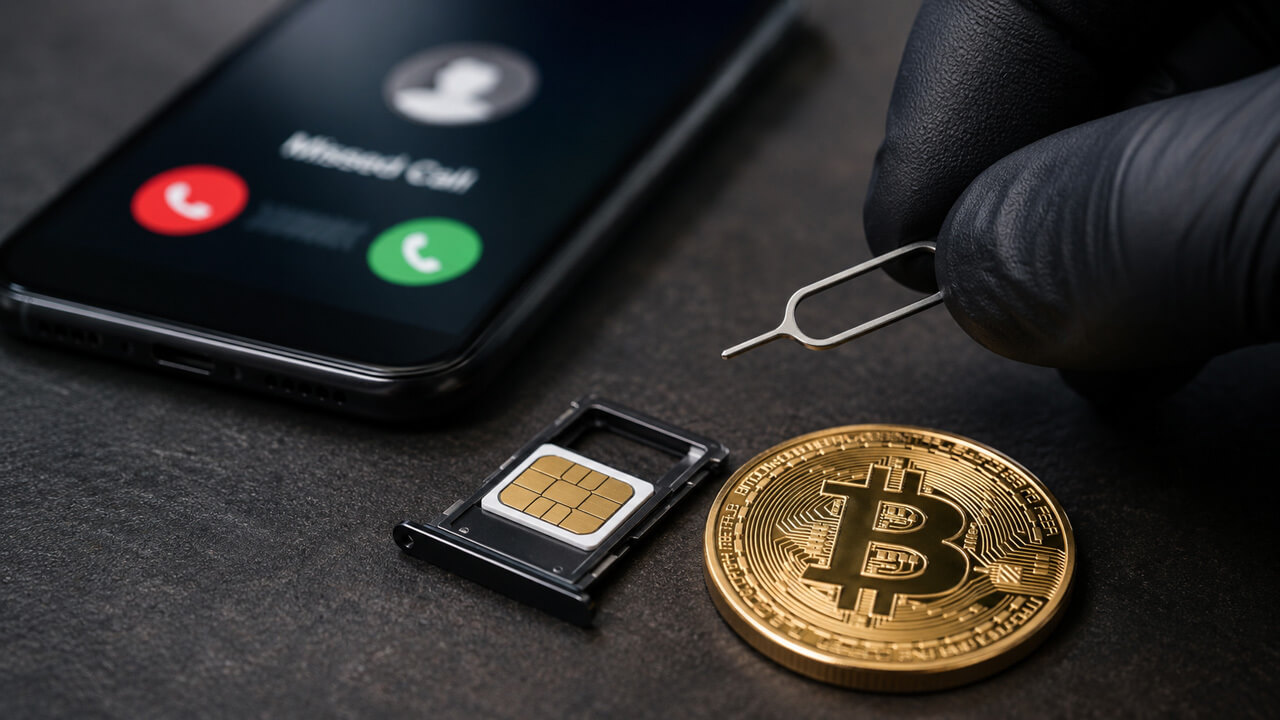
In the world of digital finance, your phone number often acts as a key to your wealth. Many investors use two-factor authentication (a security step where you receive a code via text) to access their crypto exchanges. If a hacker gets access to the sensitive data stored by phone companies, they can perform a SIM swap (when a criminal tricks a mobile carrier into switching your phone number to a device they control). Once they control your phone number, they can reset your passwords and drain your cryptocurrency wallets in minutes.
What This Means for USA Investors
For investors in the United States, this regulation could mean that your personal information is stored in more places, increasing the chance of a data breach. Since many smaller phone companies may not have the best cybersecurity, your private ID information might be vulnerable. It is a reminder for USA investors to move away from SMS-based security and toward hardware keys or authenticator apps (software that generates temporary login codes) that do not rely on a phone provider's database.
Source: CryptoSlate