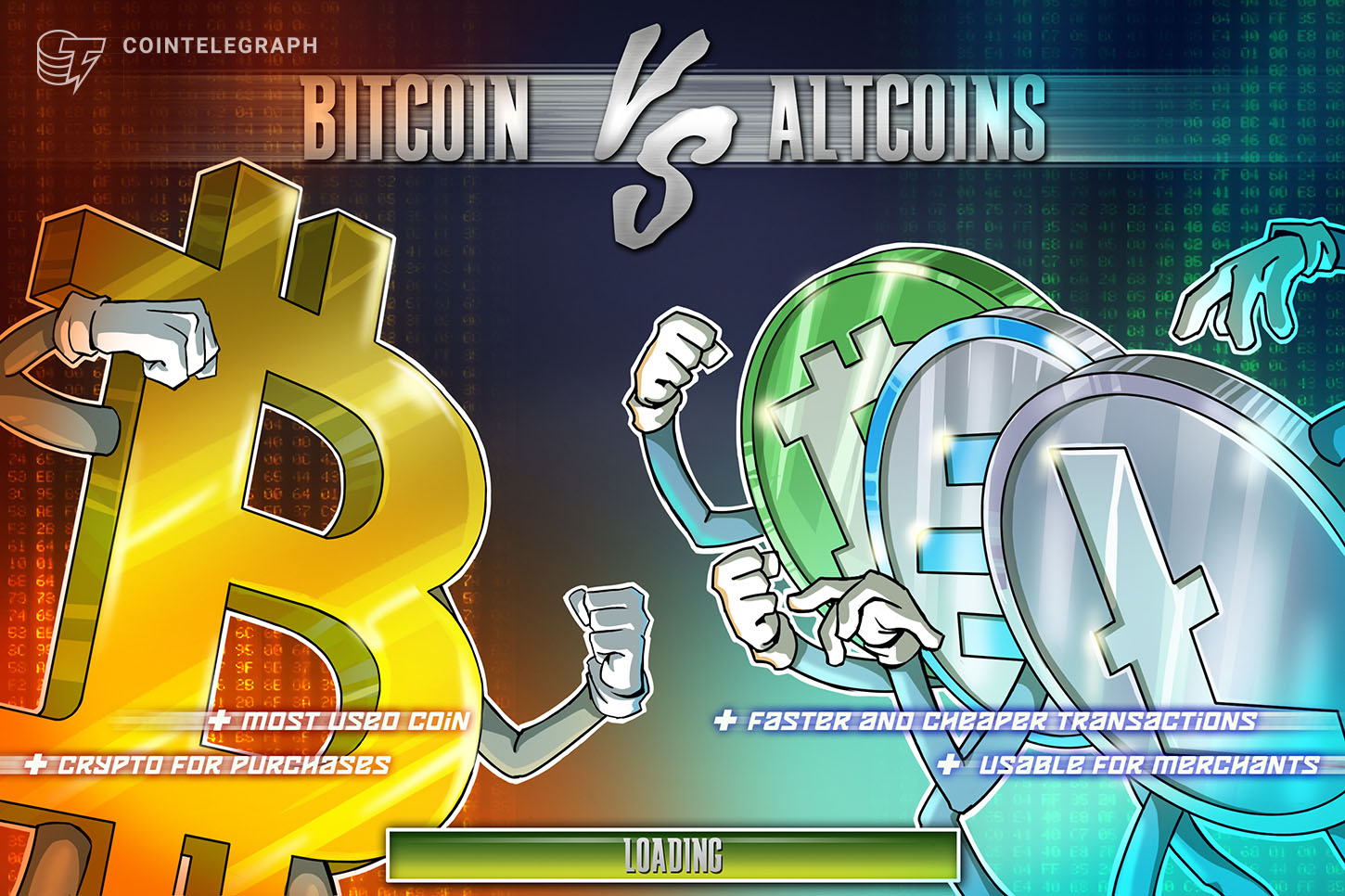
Has the Crypto Market Changed? Why Altcoin Season and BTC Rotations Are Stalling
The traditional cycle of cryptocurrency markets, where investors move profits from Bitcoin (the first and largest cryptocurrency) into alternative coins, known as altcoins (any cryptocurrency that is not Bitcoin), is currently facing a major disruption. As of late 2024, Bitcoin's market dominance—a metric that measures Bitcoin's share of the total crypto market value—is holding steady above critical support levels. This indicates that instead of money flowing into smaller projects, capital is staying locked within Bitcoin, effectively delaying what many traders call an 'altseason' or a period where altcoins outperform BTC.
Understanding Bitcoin Dominance and Capital Flow
In previous market cycles, a predictable pattern usually emerged. First, Bitcoin would lead a price rally. Once Bitcoin reached a high price point and stabilized, investors would sell their BTC to buy 'altcoins' like Ethereum or Solana, hoping for even higher percentage returns. This shift is what experts call 'capital rotation.' However, current data suggests this rotation has collapsed. Bitcoin continues to absorb the majority of new institutional money, largely thanks to the success of spot Bitcoin ETFs (Exchange-Traded Funds, which are investment vehicles that allow people to buy into BTC through a traditional stock brokerage).
Because Bitcoin is now seen as a 'flight to safety' asset within the digital world, the money isn't leaving. When Bitcoin's dominance stays high, it means the majority of the money in the entire crypto space is staying in the most established coin. For altcoins to rise, they usually need Bitcoin to trade sideways (staying at one price) while dominance drops. Currently, we are seeing the opposite: Bitcoin is either rising or holding its ground, while smaller coins struggle to gain traction against it.
The Role of Institutional Interest in the Current Cycle
One major reason for this shift is the type of investor currently entering the market. In the past, the market was driven by retail investors (individual people trading from home) who were more likely to gamble on smaller, riskier coins. Today, the market is dominated by large institutions like hedge funds and pension funds. These big players often have strict mandates that only allow them to hold Bitcoin, which they view as 'digital gold.' This creates a 'sticky' capital environment where money enters the ecosystem through Bitcoin and stays there, rather than trickling down to the rest of the market.
Furthermore, the sheer number of new altcoins being launched every day has created a 'dilution' effect. When there are thousands of new tokens being created, the available investment money is spread too thin. This makes it much harder for any single altcoin to experience the massive 10x or 100x gains that were common in 2017 or 2021. Without a concentrated flow of money into a few top projects, the broad 'altseason' we used to know may be evolving into something much more selective.
What This Means for USA Investors
For investors in the United States, this trend highlights the importance of a 'Bitcoin-first' strategy. While the allure of quick gains in small-cap coins is strong, the current data suggests that Bitcoin remains the primary driver of value. Tax implications in the U.S. also make frequent trading between BTC and altcoins a complex task, as every swap is a taxable event. If the traditional altseason is indeed 'disappearing' or simply taking much longer to arrive, US investors might find more stability in holding larger, more liquid assets (assets that are easy to buy and sell without changing the price) rather than chasing volatile small-cap tokens.
It is also important to watch the Federal Reserve's actions. If interest rates remain high, investors generally prefer safer assets like Bitcoin. If rates drop significantly, we might finally see the risk-taking behavior necessary to spark a move back into altcoins. For now, the 'rotation' remains stuck in favor of the king of crypto.
Source: CoinTelegraph