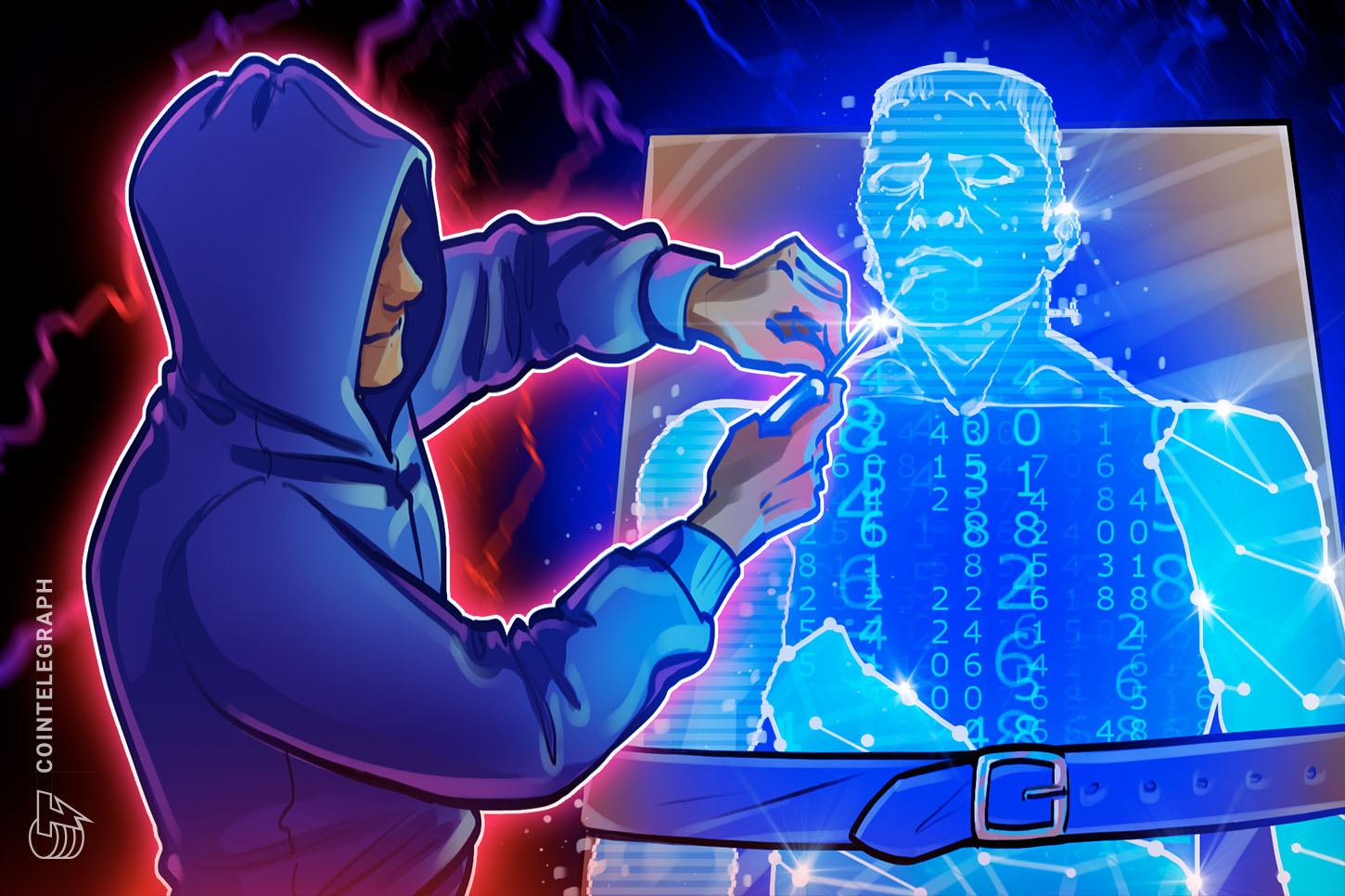
Ethereum's Most Active Trading Bot Jaredfromsubway.eth Hit by $7.5M Hack
The cryptocurrency world was shocked this week when one of its most active automated trading programs, known as Jaredfromsubway.eth, was exploited for approximately $7.5 million. This bot, specialized in sandwich attacks (a strategy where a bot places trades before and after a user's transaction to profit from price changes), has been a dominant force on the Ethereum network. Between November 2024 and October 2025, the bot was reportedly responsible for nearly 70% of all sandwich attacks on Ethereum. The recent breach represents a significant blow to the bot's operations and highlights the risks associated with complex automated trading in Decentralized Finance (DeFi).
Understanding the Jaredfromsubway bot and Sandwich Attacks
To understand why this exploit matters, we must first look at how the bot operated. Jaredfromsubway.eth is a Maximum Extractable Value (MEV) bot. MEV refers to the profit a participant can make by including, excluding, or reordering transactions within a block on the blockchain. The sandwich attack is the bot's signature move. It works by detecting a pending buy order from a regular user, buying that same asset immediately before them to drive the price up, and then selling it immediately after the user's trade is processed. While legal in the world of crypto code, many users find it frustrating as it results in slightly worse prices for everyday traders.
How the $7.5 Million Exploit Occurred
While the bot was designed to profit from others, it eventually became the target itself. Security researchers noted that the exploit focused on vulnerabilities within the bot's smart contract (a self-executing contract with the terms of the agreement directly written into code). Hackers were able to manipulate the bot's own logic, essentially forcing it to send funds to an unauthorized address. Because these bots handle massive amounts of Liquidity (the availability of liquid assets in a market), even a small flaw can lead to multi-million dollar losses in a matter of seconds. The $7.5 million loss is one of the largest recorded hits against an individual MEV bot to date.
What This Means for USA Investors
For investors in the United States, this event serves as a critical reminder of the "Wild West" nature of DeFi. First, it shows that even the most sophisticated automated systems are not immune to hacking. If you are participating in liquidity pools or trading on Decentralized Exchanges (DEXs like Uniswap), you are often competing against these bots. The removal of $7.5 million from this bot's treasury might temporarily reduce the frequency of sandwich attacks, leading to slightly better execution prices for retail traders. However, US investors should remain cautious. When trading large amounts, using tools like "Slippage Tolerance" (a setting that limits how much a price can change before a trade cancels) is essential to protecting your capital from similar bots that are still active.
The Future of Ethereum Trading Security
As Ethereum continues to evolve, the community is looking for ways to mitigate the impact of manipulative bots. Some developers are proposing "MEV Burn" or privacy features that hide transactions until they are confirmed, making it harder for bots to "sandwich" them. This exploit might accelerate the adoption of these security measures. For now, the downfall of Jaredfromsubway.eth's funds proves that in the world of crypto, the hunter can very quickly become the hunted. Beginners should stick to reputable platforms and stay informed about the types of automated players active in the market to ensure their trades remain safe and cost-effective.
Source: CoinTelegraph