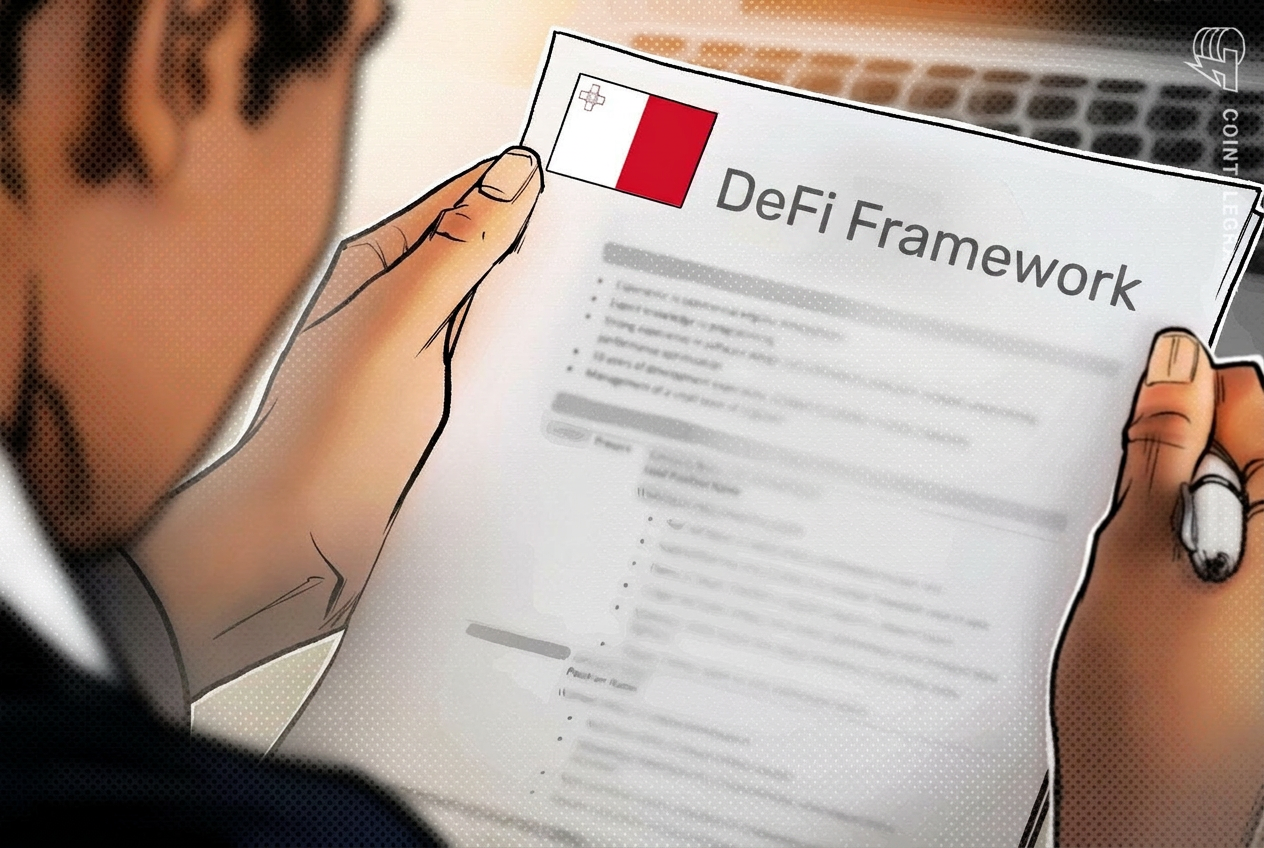
Malta Proposes New Regulatory Framework for DeFi and DAOs
The Malta Financial Services Authority (MFSA) has announced a new proposal to regulate Decentralized Finance (DeFi) and Decentralized Autonomous Organizations (DAOs). This initiative, launched this week, aims to create a legal rulebook for software-governed organizations. The regulator argues that while many projects claim to be decentralized, they often maintain central points of control that require oversight to protect investors and maintain market integrity.
Understanding the Malta DeFi Framework
Malta is seeking industry feedback on how to categorize and govern DeFi (decentralized finance, which refers to financial services built on blockchains without traditional banks). The proposed framework focuses on SBOS (Software-Based Organizations). The MFSA believes that an organization is not truly decentralized if a small group of developers or token holders still makes all the major decisions. By creating a specific legal category for these entities, Malta hopes to provide clarity that aligns with the broader MiCA (Markets in Crypto-Assets) regulations across the European Union.
Why DAOs are Under the Microscope
DAOs (Decentralized Autonomous Organizations, which are groups governed by computer code instead of CEOs) have operated in a legal gray area for years. Malta’s regulators are concerned that the lack of clear rules makes it difficult to hold anyone accountable when things go wrong. The new proposal suggests that if a DAO has a significant impact on the financial market, it must meet certain transparency and security standards. This move is intended to bridge the gap between pure technology and financial law, ensuring that users have similar protections to those found in traditional finance.
What This Means for USA Investors
For investors in the USA, Malta's proposal serves as a potential blueprint for future global standards. While Malta is a small island nation, it is often a first-mover in crypto legislation. If these rules are successful, they may influence how the U.S. Securities and Exchange Commission (SEC) views DeFi projects. USA-based crypto enthusiasts should watch these developments closely, as decentralized platforms that offer services to international users may eventually have to comply with these European-style standards to remain operational in global markets.
Source: CoinTelegraph