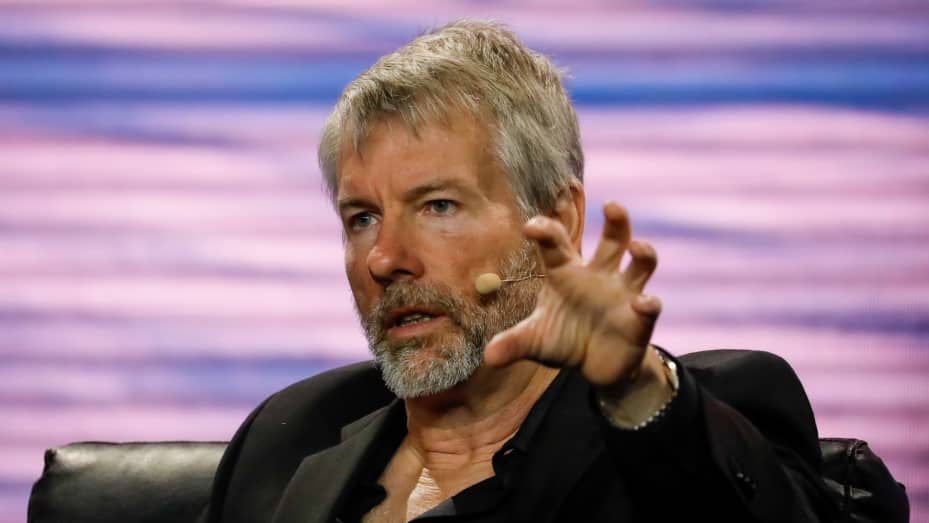
Michael Saylor Calls Bitcoin the Base Layer for a New Digital Capital Stack
Michael Saylor, the Executive Chairman of MicroStrategy and a well-known Bitcoin bull, recently shared his vision for the future of finance during a major industry event. Saylor explained that Bitcoin (the first decentralized digital currency) is not just a digital version of gold, but the essential foundation for a new global financial architecture. He believes that for the world to move toward a more efficient economy, it must build on top of a secure, digital-native asset rather than relying solely on traditional banking systems or physical assets that are hard to move and verify.
The Multi-Trillion Dollar Vision for Bitcoin
Saylor’s argument centers on the idea of a "digital capital stack." In finance, a capital stack refers to the different layers of financing used to fund an investment. By calling Bitcoin the "base layer," Saylor suggests that all other financial products—such as loans, stocks, and bonds—could eventually be issued or settled using Bitcoin's secure network. Unlike fiat currency (government-issued money like the US Dollar), Bitcoin has a fixed supply, which makes it an attractive foundation for long-term wealth preservation. Saylor claims that if Bitcoin becomes the global standard for capital, its total market value could grow 500-fold from current levels.
However, this massive growth is not expected to come from retail speculation or people "trading" the price swings. Instead, Saylor emphasizes that the real value will come from institutional adoption (large companies and banks using the technology). He points out that as Bitcoin becomes integrated into the products offered by Wall Street giants, it moves from being a risky experiment to a legitimate asset class. This transition is already beginning with the approval of Spot Bitcoin ETFs (exchange-traded funds that track the price of Bitcoin), which allow regular investors to buy into the asset through their standard brokerage accounts.
What This Means for USA Investors
For investors in the United States, Saylor’s perspective offers a shift in how to view a crypto portfolio. Rather than looking for a quick profit, US investors might consider Bitcoin as a long-term "savings account" that is resistant to inflation (the rise in prices over time that reduces your buying power). If Saylor's vision holds true, the regulatory environment in the USA will likely become more structured, offering more protections for citizens who hold digital assets. However, a 500-fold increase is a bold claim, and investors should remember that Bitcoin remains volatile, meaning its price can go up or down very quickly in the short term. It is essential to balance this optimistic outlook with a clear understanding of your own risk tolerance.
Source: CryptoPotato