Microsoft Warns of New Malware Hijacking Crypto Wallets via USB Sticks
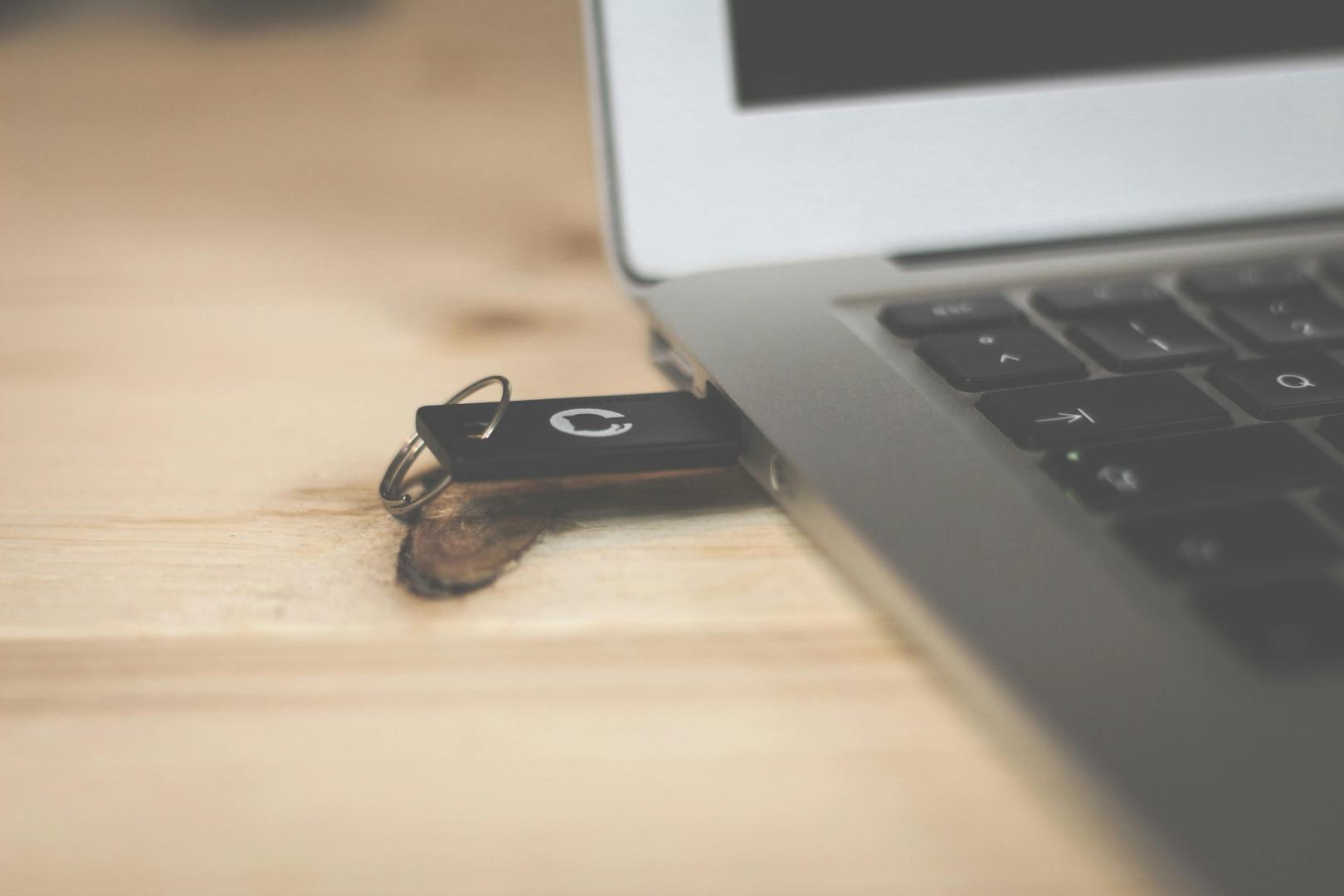
Microsoft researchers recently identified a sophisticated new malware strain designed to hijack cryptocurrency wallets and spread through contaminated USB flash drives. The attack targets Windows users, specifically aiming to steal private keys (the secret codes used to prove ownership of digital assets) and reroute transactions. These malicious programs, often called worms, are programmed to spread automatically from one computer to another, making them particularly dangerous for people who frequently share physical devices or work in office environments.
How the USB Malware Intercepts Your Crypto
The malware operates using a clever bait-and-switch tactic. When a user plugs in an infected USB drive, the software intercepts shortcut files on the computer. Instead of opening a folder or document, the shortcut triggers the installation of a worm. This worm then monitors the Windows clipboard, which is the temporary storage area where text is held after you click copy. Because crypto addresses are long strings of characters, most users copy and paste them rather than typing them by hand. The malware waits until it detects a wallet address being copied and instantly replaces it with the attacker's wallet address.
Understanding the Risks of Private Key Theft
Beyond changing transaction addresses, this malware attempts to harvest private keys directly from the system. In the world of cryptocurrency, a private key is essentially your digital signature. If a hacker gains access to this key, they have full control over your funds and can drain your wallet (a digital tool that allows you to store and manage crypto) instantly. The malware searches through local files and system memory to find any traces of these keys. Once stolen, these assets are often moved to decentralized exchanges where they are difficult to track or recover.
What This Means for USA Investors
For investors in the United States, this discovery highlights the urgent need for better hardware security. Many American crypto users rely on software wallets loaded onto personal laptops. If you use a Windows-based PC for trading, you should be extremely cautious about using unknown USB drives. It is highly recommended to use a hardware wallet (a physical device that keeps your private keys offline) which provides an extra layer of protection because the keys never touch the internet-connected system where the malware resides. Additionally, always double-check the first and last four digits of a wallet address after pasting it to ensure it hasn't been altered by malicious software.
Source: CoinDesk