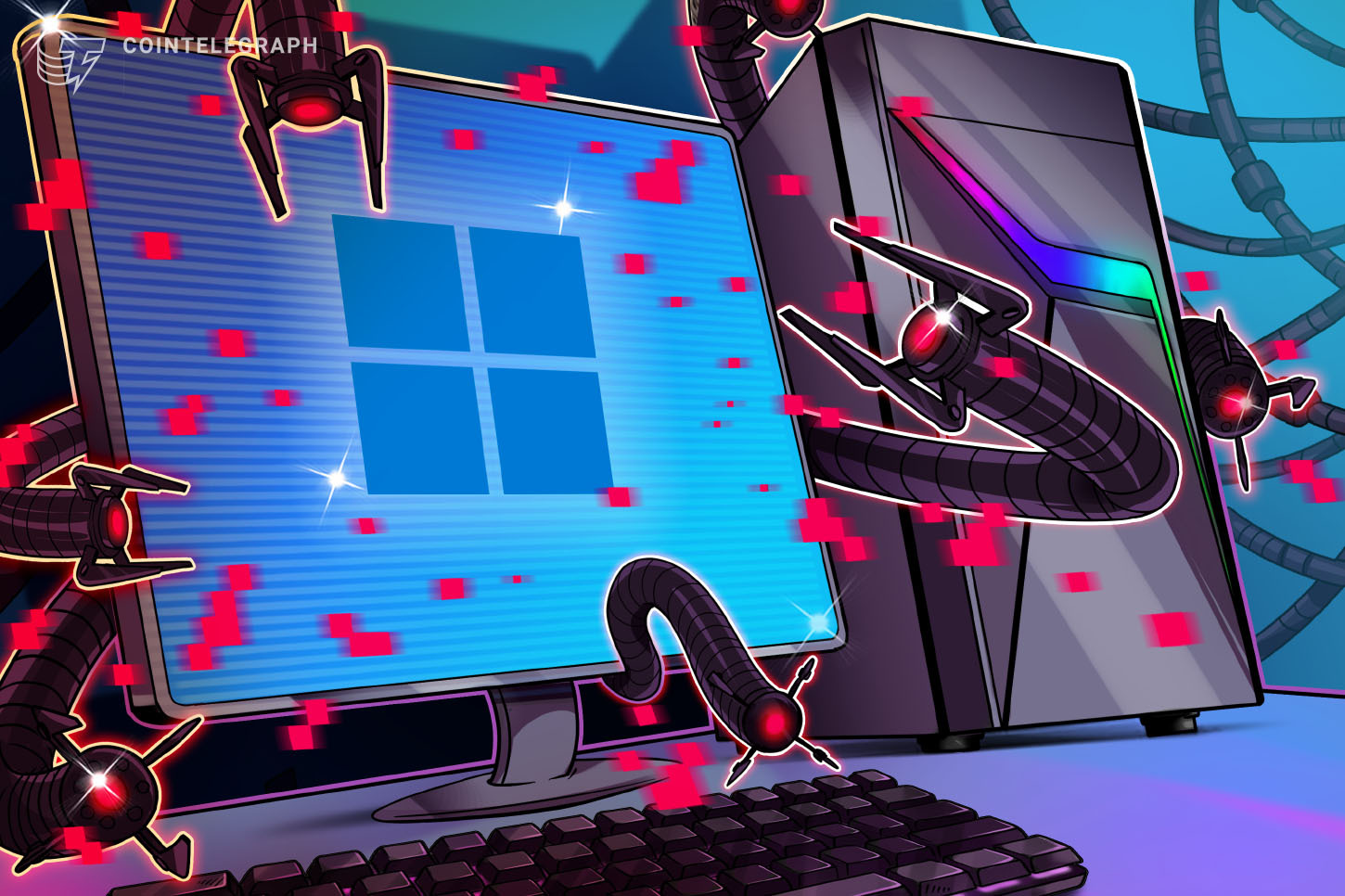
Microsoft Warns Users of 'Crypto Clipper' Malware Spread via USB Drives
Microsoft researchers have issued a critical warning regarding a new type of 'Crypto Clipper' malware that is currently spreading through infected USB drives. This malicious software targets Windows users by monitoring their activities to steal cryptocurrency and sensitive data. By combining data theft with remote code execution (the ability for a hacker to run commands on your computer from a distance), this threat acts as a 'backdoor'—a secret way for attackers to maintain access to your system without you knowing. Security experts are urging users to be extremely cautious when plugging in unknown hardware devices.
How the Malware Steals Your Private Coins
This specific malware is designed to watch the 'clipboard'—the temporary storage area on your computer that holds information whenever you use the 'Copy' command. Most cryptocurrency users copy and paste long wallet addresses (the unique string of numbers and letters used to send and receive digital money) because they are too difficult to type manually. The 'Crypto Clipper' identifies when a user has copied a wallet address and instantly replaces it with an address belonging to the hacker. If the user does not double-check the address before clicking 'Send,' their funds are sent directly to the criminal's wallet instead of the intended recipient.
Beyond just switching addresses, Microsoft notes that this malware uses a sophisticated technique called 'lightweight backdoor' access. This means that once your computer is infected via a USB drive, the hackers can download more dangerous software or steal your login credentials for exchanges like Coinbase or Binance. Unlike older viruses that were easy to spot, this malware blends into your system processes to avoid being caught by basic antivirus programs. This makes it a multi-layered threat that puts both your immediate crypto balance and your long-term digital identity at risk.
The Risks of Physical Hardware Infection
Most beginners believe that crypto threats only come from phishing emails or fake websites. However, this Microsoft report highlights a return to 'offline' infection methods. A USB drive can be left in a public place or given away as a gift, only to contain hidden scripts that execute the moment it is plugged into a laptop. This method is particularly effective because it bypasses many of the firewalls and web-based security filters that modern browsers use to keep us safe. Once the USB is inserted, the malware gains a foothold in the operating system, allowing it to begin its silent surveillance of your crypto transactions.
What This Means for USA Investors
For investors in the USA, this warning is a reminder that personal hardware security is just as important as choosing a reputable exchange. As the United States remains a top target for cybercriminals due to the high volume of retail crypto holders, users must adopt 'zero-trust' habits. This means never using a USB drive that you did not purchase yourself from a trusted retailer. Furthermore, the IRS and local authorities often cannot help you recover funds lost to malware, as blockchain (a decentralized digital ledger) transactions are permanent and cannot be reversed by a central bank. Following Microsoft's security updates and using hardware wallets (physical devices that store your keys offline) is the best way to stay protected.
To protect yourself, Microsoft suggests keeping Windows up to date and using advanced security suites that monitor system behavior. Always verify every single character of a wallet address after pasting it into a transaction field. If you suspect your computer has been compromised, move your funds to a new wallet from a clean device immediately. Cybersecurity is a continuous process, and staying informed is your best defense against evolving threats like the Crypto Clipper.
Source: CoinTelegraph