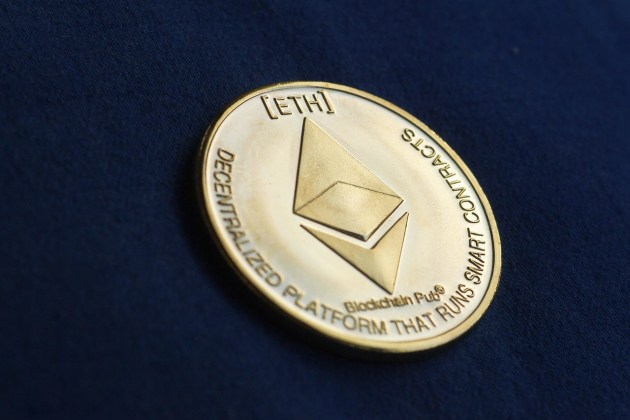
Morgan Stanley ETF Amendments Spark New Ethereum and Solana Fee War
Financial giant Morgan Stanley has officially updated its paperwork for spot Ethereum and Solana ETFs (Exchange-Traded Funds, which are investment funds that trade on stock exchanges like regular stocks). These recent filings reveal a competitive fee structure of 0.14%, signaling an aggressive move to capture market share in the growing digital asset space. By lowering the cost for traditional investors to gain exposure to Ethereum and Solana, the bank is positioning itself against industry veterans like BlackRock and Fidelity. This development marks a significant moment for the crypto industry as major institutions move beyond Bitcoin and into other layer-1 protocols (base-layer blockchain networks that provide the foundation for decentralized applications).
Understanding the Fee War and Staking Rewards
The core of the recent amendment lies in the cost of ownership. For a beginner, the fee is the annual percentage an investor pays to the fund manager to handle the asset. At 0.14%, Morgan Stanley is significantly undercutting many existing products, making it cheaper for retail investors to hold crypto in their retirement accounts. Beyond the low management fees, the documents also highlight a unique focus on staking rewards. Staking is the process of participating in a proof-of-stake blockchain by locking up coins to help secure the network in exchange for rewards, which function similarly to interest on a savings account. While previous ETF versions faced regulatory hurdles regarding staking, these amendments show a renewed drive to ensure investors benefit from the yields generated by the underlying technology.
Why Solana and Ethereum Are Gaining Institutional Interest
For years, Bitcoin was the only cryptocurrency that large banks considered providing to their clients. However, the ecosystem is evolving rapidly. Ethereum remains the leader for smart contracts (self-executing programs where the terms of the agreement are written directly into code), while Solana has gained massive popularity for its high transaction speeds and lower costs. By offering both options in an ETF format, Morgan Stanley is allowing investors to diversify their crypto holdings. This diversification helps mitigate risk, as investors are no longer tied purely to the price movements of a single digital coin. The introduction of these funds through a trusted name like Morgan Stanley also provides a sense of security for those who are hesitant to use crypto exchanges.
What This Means for USA Investors
For investors in the United States, this move is a major win for accessibility. Instead of navigating complex crypto exchanges, setting up digital wallets, or worrying about private keys (secret passwords used to access and manage crypto assets), Americans can now buy these assets through their existing brokerage accounts. The low 0.14% fee means that over a long-term investment horizon, more of the profits stay in the investor's pocket rather than going to the bank. Additionally, the competition between Morgan Stanley and other providers will likely lead to even more innovation and lower costs across the board. It validates the crypto market as a permanent fixture of the USA financial landscape, providing a regulated and insured path to participate in the future of decentralized finance.
Source: Bitcoinist