World Cup Bettors Lose Millions on Polymarket After Spain Shock Draw
On June 14, thousands of cryptocurrency investors on Polymarket (a decentralized prediction market where people bet on real-world events) faced massive losses when Spain failed to secure a victory against Cape Verde. Despite Spain controlling the game with 75% possession and firing 27 shots on goal, the match ended in a 0-0 draw. This unexpected result caused millions of dollars in 'safe' bets to vanish instantly, highlighting the extreme volatility of crypto-based sports betting during the World Cup.
How Polymarket Users Lost the Gamble
Polymarket allows users to buy 'shares' in an outcome, where the price reflects the probability of that event happening. Before the match, Spain was considered a massive favorite. Most bettors bought 'Yes' shares for a Spain win, expecting easy profits. However, Cape Verde's 40-year-old goalkeeper, Vozinha, delivered a legendary performance to keep the score level. Because the match ended in a draw, the shares for a Spain win dropped to zero value, effectively wiping out the capital of everyone who bet on the favorite. This is a classic example of 'black swan' events (unpredictable events with severe consequences) in the world of decentralized finance or DeFi (financial services built on blockchain technology).
The Math Behind the Prediction Market Crash
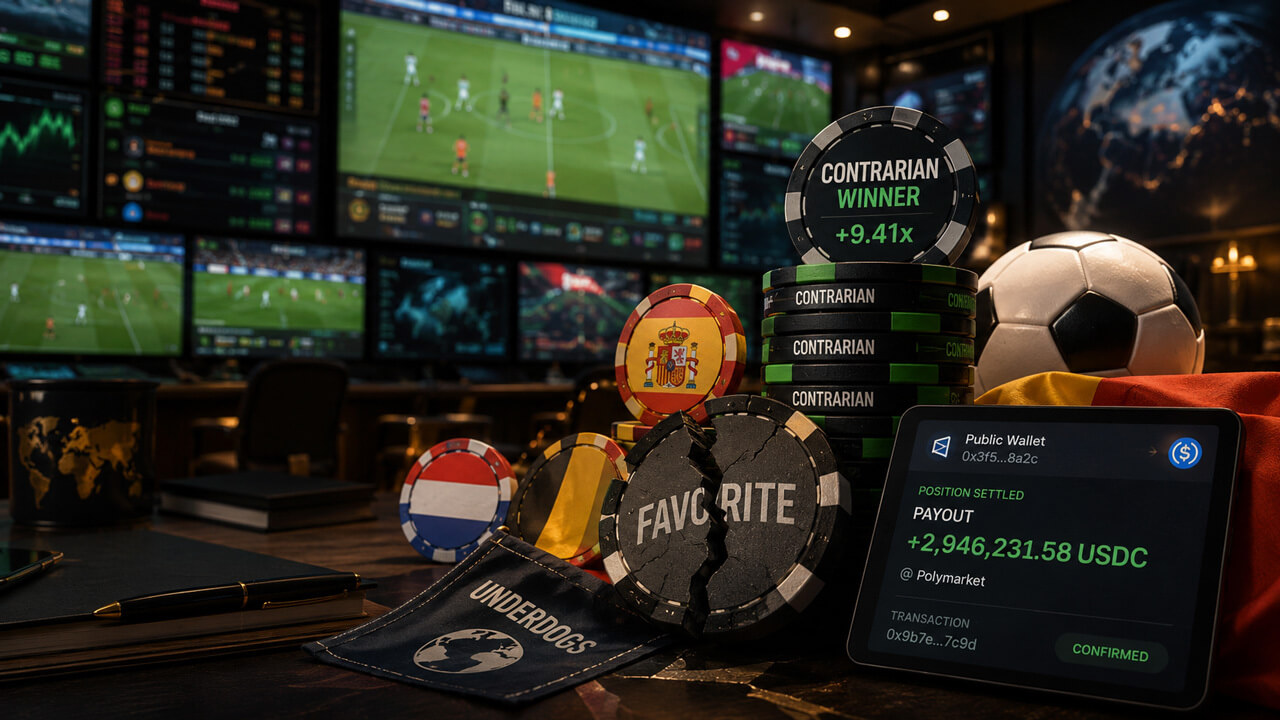
In a prediction market, liquidity (the ease with which you can trade an asset without changing its price) often gives a false sense of security. Because so many people were betting on Spain, the 'odds' became very lopsided. When the final whistle blew, the smart contract (a self-executing code on the blockchain) automatically distributed the prize pool to the very few who bet on a draw or a Cape Verde miracle. One obscure digital wallet reportedly made a fortune by betting against the crowd, proving that while the majority lost, the nature of blockchain betting ensures a winner on the other side of every trade.
Understanding the Risks of 'Safe' Favorites
New crypto users often flock to prediction markets because they seem easier to understand than trading Bitcoin. However, the 'safe' tag is often misleading. In sports betting, anything can happen, and in a binary market (a market with only two possible outcomes, like Yes or No), there is no middle ground. If your choice doesn't happen, you lose 100% of your investment. This differs from holding a cryptocurrency token where the price might drop 10% but you still own the asset. On Polymarket, a loss is total and permanent.
What This Means for USA Investors
For investors in the United States, this event serves as a critical warning about the intersection of gambling and cryptocurrency. While Polymarket has faced regulatory scrutiny from the CFTC (Commodity Futures Trading Commission), many users still find ways to access these platforms. USA investors should be aware that decentralized betting does not have the same consumer protections as regulated US sportsbooks. If a platform remains offshore or decentralized, there is no 'customer service' to help you if a market settles incorrectly or if you lose funds due to a technical glitch. Always ensure you understand the legal standing of any platform before depositing your digital assets.
The Future of Decentralized Betting
Despite these losses, the popularity of Polymarket continues to grow. It provides a transparent, global way for people to speculate on everything from elections to sports. However, the lesson from the Spain vs. Cape Verde match is clear: no bet is truly 'safe.' As the World Cup continues, more upsets are likely, and more millions will change hands on the blockchain. Beginners should only bet what they are prepared to lose entirely and should always research the specific rules of how a market 'resolves' (the process of deciding the final winning outcome).
Source: CryptoSlate