SEC 5-Year Plan: A New Era for Tokenized Assets
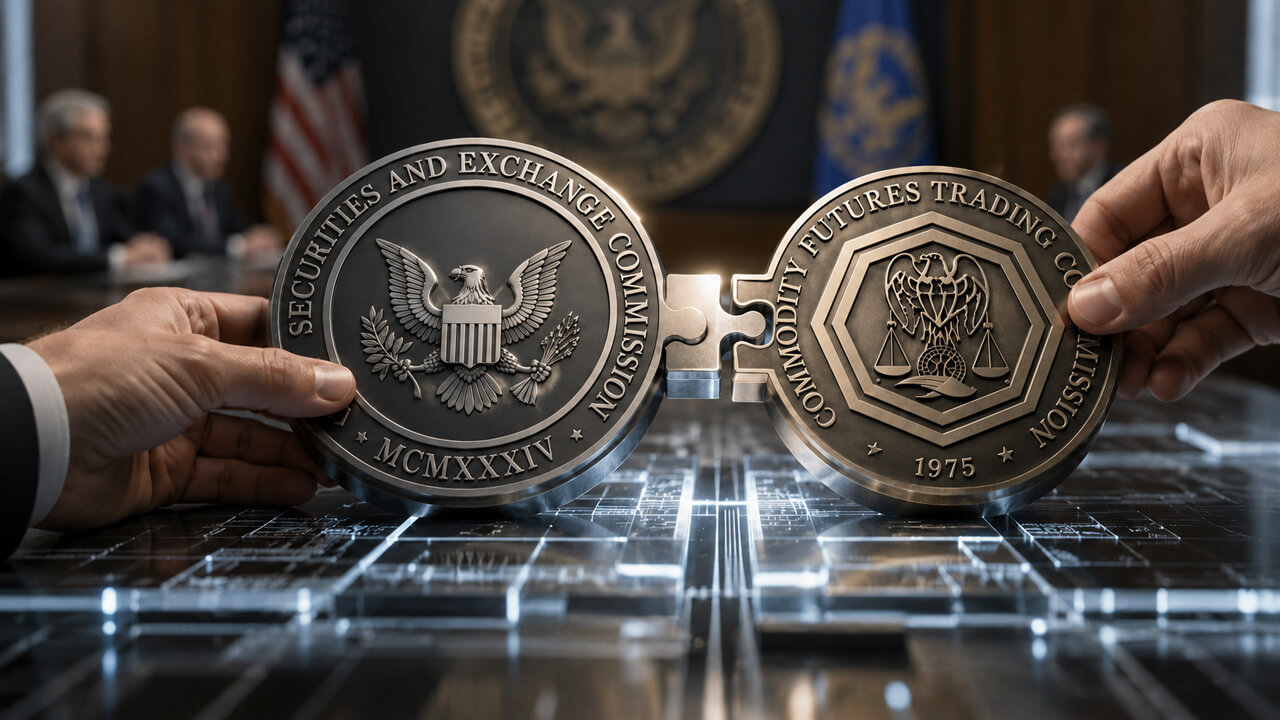
The Securities and Exchange Commission (SEC), the primary agency responsible for enforcing US financial laws, has released its new draft Strategic Plan for 2026 through 2030. This blueprint reveals a significant shift in how the government views blockchain (the digital record-keeping technology behind crypto). Instead of focusing only on lawsuits, the SEC now acknowledges that tokenization—the process of turning real-world assets like stocks or bonds into digital tokens—has the potential to revolutionize America's financial infrastructure to make it faster and more efficient.
Understanding the SEC Strategic Shift
For the first time, the SEC has dedicated a specific objective to digital assets and distributed ledger technology. This is a big deal for beginners because it suggests the agency is moving away from just 'regulation by enforcement' (punishing companies after they break rules) and toward creating a clear framework for how these technologies should work. The plan focuses on protecting investors while allowing the growth of capital markets (places where people buy and sell stocks and bonds).
By treating blockchain as a foundational technology rather than just a niche interest, the SEC aims to bring digital assets into the mainstream. This involves updating traditional systems to handle the speed of 24/7 digital trading. The goal is to ensure that while the technology changes, the safety of your money remains a top priority for the government.
How Tokenization Changes Everything
Tokenization is often called the 'killer app' of blockchain. Imagine holding a piece of real estate or a rare gold bar as a digital token in your phone's wallet. Under the SEC's five-year vision, more of these assets will likely be regulated similarly to traditional stocks. This would provide more transparency (the ability to see transaction history clearly) and liquidity (the ease of turning an asset into cash) for everyday users.
The SEC notes that this shift requires a high level of technical expertise. Over the next five years, the agency plans to hire more crypto-savvy experts to keep up with the fast-moving pace of DeFi (decentralized finance, or financial services without banks). This ensures that as new products launch, they are built on a solid legal foundation, preventing the type of collapses seen in previous years.
What This Means for USA Investors
For USA-based investors, this five-year plan suggests that the 'Wild West' days of crypto are ending, replaced by a more structured environment. If you buy digital assets, you may soon have the same protections you get when buying Apple or Microsoft stock. It means more major financial companies will likely launch tokenized funds, making it easier for you to diversify your portfolio through regulated platforms.
However, it also means that the SEC will remain very active. They aren't going away; they are simply changing their tools. Investors should expect stricter reporting requirements for platforms and more scrutiny on how assets are stored. Overall, this could lead to more institutional trust, potentially driving up the value and utility of the entire crypto ecosystem over the long term.
Source: CryptoSlate