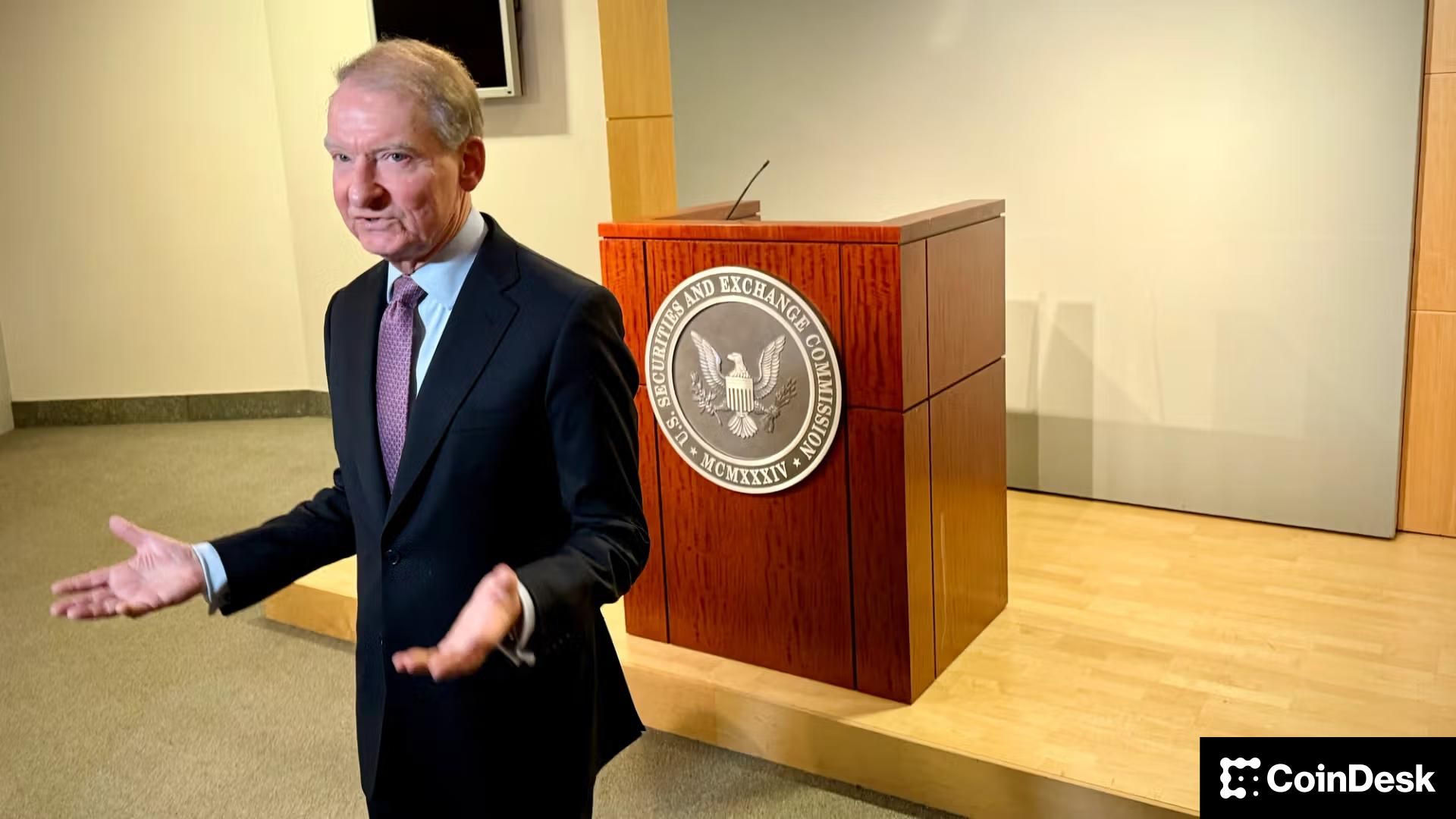
SEC Explores New Paths for Crypto Tokenization Exemptions
The United States Securities and Exchange Commission (SEC), the primary government agency responsible for protecting investors, is currently considering a new approach to help the growth of crypto tokenization (the process of converting real-world assets into digital tokens on a blockchain). According to former legal experts from the commission, the SEC might use its special authority to grant exemptions to certain innovation projects. These changes, discussed as of June 2026, aim to allow companies to experiment with blockchain technology without being blocked by strict old laws. While this sounds like a win for the industry, legal professionals warn that these temporary permissions do not provide the same long-term safety as a permanent rule passed by the full commission.
The Difference Between Rules and Exemptions
In the world of finance, a 'rule' is a formal law that everyone must follow, providing a stable environment for businesses to grow. On the other hand, an 'exemption' is more like a special hall pass. It allows a specific person or company to bypass certain requirements under specific conditions. For crypto tokenization projects, getting an exemption means they can trade digital tokens representing assets like real estate or gold without following every single step usually required for traditional stocks. However, because an exemption is not a formal rule, a future SEC leader could easily change their mind and take that permission away. This creates a 'resilience' problem, where companies might be afraid to spend millions of dollars on technology that could be banned next year.
Why Tokenization Matters for Beginners
You might wonder why tokenization is such a big deal. Imagine owning a tiny fraction of a famous painting or a skyscraper in New York. Normally, only very rich people can buy these things. Through tokenization, these assets are divided into digital parts on a blockchain (a secure shared digital ledger). This makes investing more accessible to everyday people. But for this to work safely, the government needs to decide if these tokens are 'securities' (financial instruments that hold value). If they are securities, the companies must follow strict transparency laws. The current SEC 'big swing' is an attempt to find a middle ground where innovation can happen while still keeping the market safe from fraud.
What This Means for USA Investors
For investors in the United States, this news is a double-edged sword. On the positive side, it could lead to many new investment opportunities as more companies bring traditional assets onto the blockchain. You might soon see more 'tokenized' versions of your favorite commodities or even private company shares available on crypto apps. However, the lack of a 'full rule' means the legal ground is still shaky. If you invest in a project that is only running on a temporary exemption, there is a risk that the project could be shut down if the SEC changes its stance. USA investors should remain cautious and look for projects that are working closely with regulators rather than those trying to bypass them entirely.
Source: CoinDesk