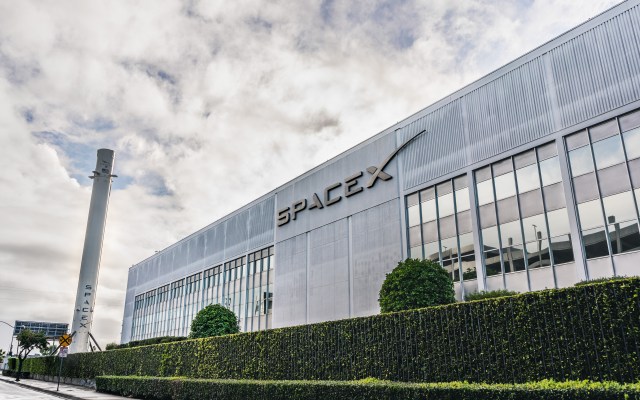
SpaceX Tokenized Share Allocations Canceled Following Broker Shortage
Major cryptocurrency platforms, including Bitget Wallet, have officially canceled their tokenized SpaceX (the private aerospace company led by Elon Musk) share allocations this week. This sudden decision comes after a significant shortage of available shares from underlying brokers, which are the middleman firms that hold the actual stocks. Investors who were hoping to gain early exposure to SpaceX through crypto-based tokens have been notified that their orders cannot be fulfilled, marking a setback for the growing trend of bringing private company assets onto the blockchain (a digital ledger that records transactions).
The Growing Trend of Pre-IPO Tokenization
For several months, the crypto industry has been excited about tokenization, which is the process of turning a real-world asset like a stock or a house into a digital token on a network. This allows regular people to buy small pieces of famous companies before they go public on the stock market. Because SpaceX is a private company, it is usually very difficult for someone who isn't a billionaire or a venture capitalist to buy their shares. Platforms like Bitget Wallet tried to solve this by offering tokenized SpaceX shares to their users, promising a way to profit from the success of the space exploration giant.
Why the Allocations Were Suddenly Canceled
The primary reason for the cancellation is a supply issue. To sell a tokenized version of a stock, the crypto platform must ensure that a broker actually owns the physical shares in a vault or account as collateral (something used to back up the value of a deal). According to recent reports, the brokers who were supposed to provide these SpaceX shares were unable to secure enough of them to meet the high demand from crypto investors. This created a situation where the digital tokens existed, but the actual shares behind them did not. To protect users from buying "empty" tokens, several platforms decided to halt the sale entirely and refund any committed funds to the users' digital wallets.
The Risks of Private Market Investing
Investing in pre-IPO (Initial Public Offering, or the first time a company sells stock to the public) assets is always risky, but doing it through crypto adds another layer of complexity. Since SpaceX is not a public company, there is very little transparency about who owns what. When you buy a tokenized share, you are essentially trusting a chain of companies: the crypto exchange, the token provider, and the traditional stock broker. If any link in that chain breaks—as it did in this case with the broker shortage—the entire investment can fall through. This event serves as a reminder that even the most high-tech financial products still rely on the old-fashioned supply and demand of the traditional stock market.
What This Means for USA Investors
For investors in the USA, this news highlights the regulatory hurdles and liquidity (how easily an asset can be turned into cash) challenges of the crypto-stock bridge. While many Americans are eager to invest in SpaceX, US-based platforms must follow strict SEC (Securities and Exchange Commission) rules regarding the sale of private company shares. The cancellation shows that even offshore or global platforms struggle to maintain a steady supply of these exclusive assets. If you are a beginner, it is important to understand that tokenized shares of private companies are high-risk and currently lack the same legal protections as buying a stock on the New York Stock Exchange. For now, waiting for an official IPO might be the safest route for most retail traders.
Source: Bitcoinist