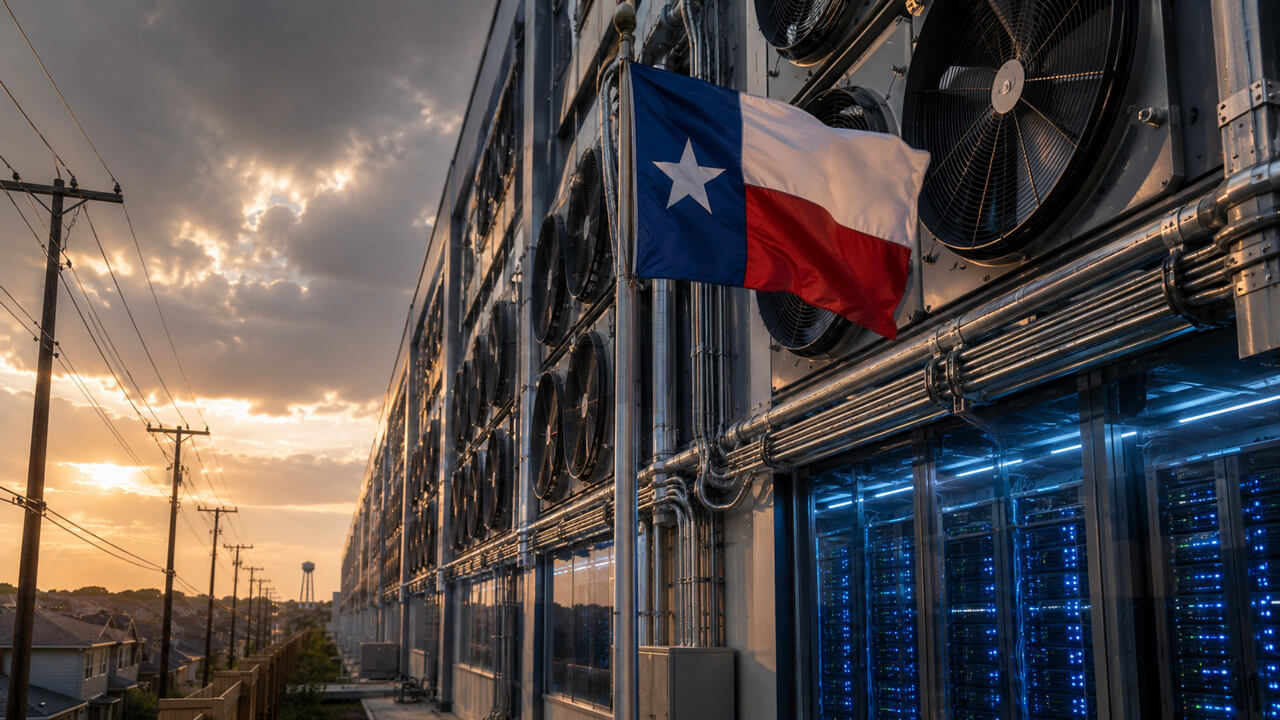
Texas Reconsiders Financial Incentives for Bitcoin Miners and AI Data Centers
Governor Greg Abbott has directed Texas state regulators to evaluate whether AI data centers and Bitcoin (a digital currency) miners should begin paying for the electricity grid infrastructure they utilize. This shift marks a significant change from the state's long-standing policy of offering tax breaks and cheap energy to attract technology companies. As the massive electrical load from these facilities strains the local power system, officials are questioning if the burden should fall on the companies rather than the taxpayers. This development comes at a time when Texas has become a global hub for proof-of-work (the process of using computers to secure crypto networks) operations.
The End of the Texas Energy Honeymoon?
For several years, Texas was seen as the promised land for crypto miners. The state offered a sales tax exemption that eventually became one of the most expensive incentive programs in local history. Leaders initially welcomed these businesses because they provided jobs and boosted local economies in rural areas. However, the sheer amount of energy required by these massive computer warehouses has recently raised concerns about the stability of the grid, especially during extreme weather events. The Electric Reliability Council of Texas (ERCOT), which manages the power flow to most of the state, has seen demand forecasts skyrocket partly due to the rise of Artificial Intelligence and crypto mining.
Balancing Innovation with Infrastructure Costs
The core of the debate lies in 'grid upgrades.' When a massive data center plugs into the system, the state often has to build new power lines and substations (facilities that change the voltage of electricity). Under current rules, much of this cost is shared across the entire pool of electricity customers. Governor Abbott's new directive suggests that those who cause the most strain should foot a larger portion of the bill. This 'user-pay' model is intended to ensure that the average resident does not see their monthly bill rise just to support a multi-billion dollar technology firm. Industry leaders argue that miners help the grid by shutting down during peak demand, essentially acting as a 'shock absorber' for the system.
What This Means for USA Investors
For USA investors, this news signals a potential increase in the cost of doing business for publicly traded mining companies based in Texas. If miners are forced to pay higher infrastructure fees, their profit margins may shrink. This could lead to a 'hashrate' (the total computational power used to mine and process transactions) migration to other states with more favorable policies. Investors should monitor whether other states follow the lead of Texas in tightening regulations. If the cost of mining Bitcoin increases at the source, it could impact the long-term scarcity and security dynamics of the network, though it also encourages companies to seek even more efficient energy solutions.
The Future of Data Center Legislation
While no laws have been changed yet, the Governor's request to the Public Utility Commission (PUC) is a strong signal that the regulatory environment is cooling. The state is currently trying to balance its reputation as a business-friendly environment with the practical reality of maintaining a functional power grid for its 30 million residents. If Texas implements these fees, it may set a national precedent for how AI and blockchain (the digital ledger technology behind crypto) projects are taxed and managed across the United States. Source: CryptoSlate