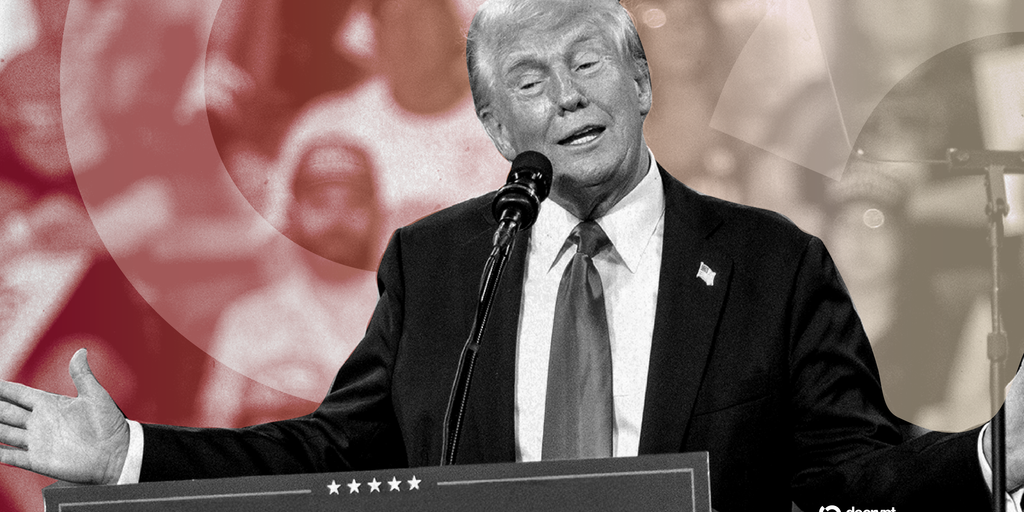
Trump Orders Acceleration of Quantum Readiness as Bitcoin Faces Coming Risk
President Donald Trump has signed two major executive orders designed to fast-track the United States' development of quantum computing (a type of advanced computer that can solve complex problems much faster than normal PCs). These orders, signed recently at the White House, aim to transition the nation's digital infrastructure to quantum-resistant encryption (security codes that can't be cracked by powerful future computers). The move comes as experts warn that advanced computing could eventually threaten the security of Bitcoin and other blockchain networks.
The Race for Quantum Supremacy and Crypto Risks
Quantum computing represents a massive leap in processing power. While today's computers use bits (0s and 1s), quantum computers use qubits, which can exist in multiple states at once. For the cryptocurrency world, this poses a theoretical threat. Most digital assets rely on cryptography (the art of solving or writing codes) to secure transactions. If a quantum computer becomes powerful enough, it could potentially guess the private keys (the secret passwords used to spend crypto) of older Bitcoin wallets.
The executive orders prioritize the National Quantum Initiative, directing federal agencies to find ways to protect sensitive data before these advanced machines become common. By accelerating the shift to new security standards, the government aims to ensure that financial systems, including emerging digital asset markets, remain shielded from state actors or hackers who might harness quantum power first.
How Bitcoin Technology is Adapting to Change
Many developers in the blockchain space are already working on "Post-Quantum Cryptography." This involves updating the underlying math of the blockchain (the digital ledger that records all transactions) to be immune to quantum attacks. While many experts believe a "Shor's Algorithm" attack—a specific method a quantum computer would use to break encryption—is still decades away, the Trump administration's proactive stance suggests the timeline for these technological shifts is shortening.
For the average Bitcoin holder, the risk is currently low. Most modern wallets can be updated via software forks (changes to the network's rules) to implement better security features. The primary focus of the new executive orders is to ensure that the U.S. remains the global leader in this technology, preventing adversaries from gaining a technological edge that could destabilize global markets or private property rights in the digital age.
What This Means for USA Investors
For investors in the United States, these executive orders are a sign of regulatory maturity. Instead of banning the technology, the government is focusing on making the digital financial system more resilient. You should not panic sell your Bitcoin; rather, you should ensure you are using modern, updated hardware wallets (physical devices that store your crypto offline). As the U.S. government invests more in quantum security, we are likely to see clearer guidelines and better protection for digital assets stored on regulated platforms.
This move may also drive institutional interest. When the government takes steps to secure the digital landscape against high-tech threats, it provides a safer environment for banks and large funds to hold Bitcoin. Keeping an eye on these technological updates will help you stay ahead of the curve as the crypto industry evolves to meet the quantum challenge.
Source: Decrypt