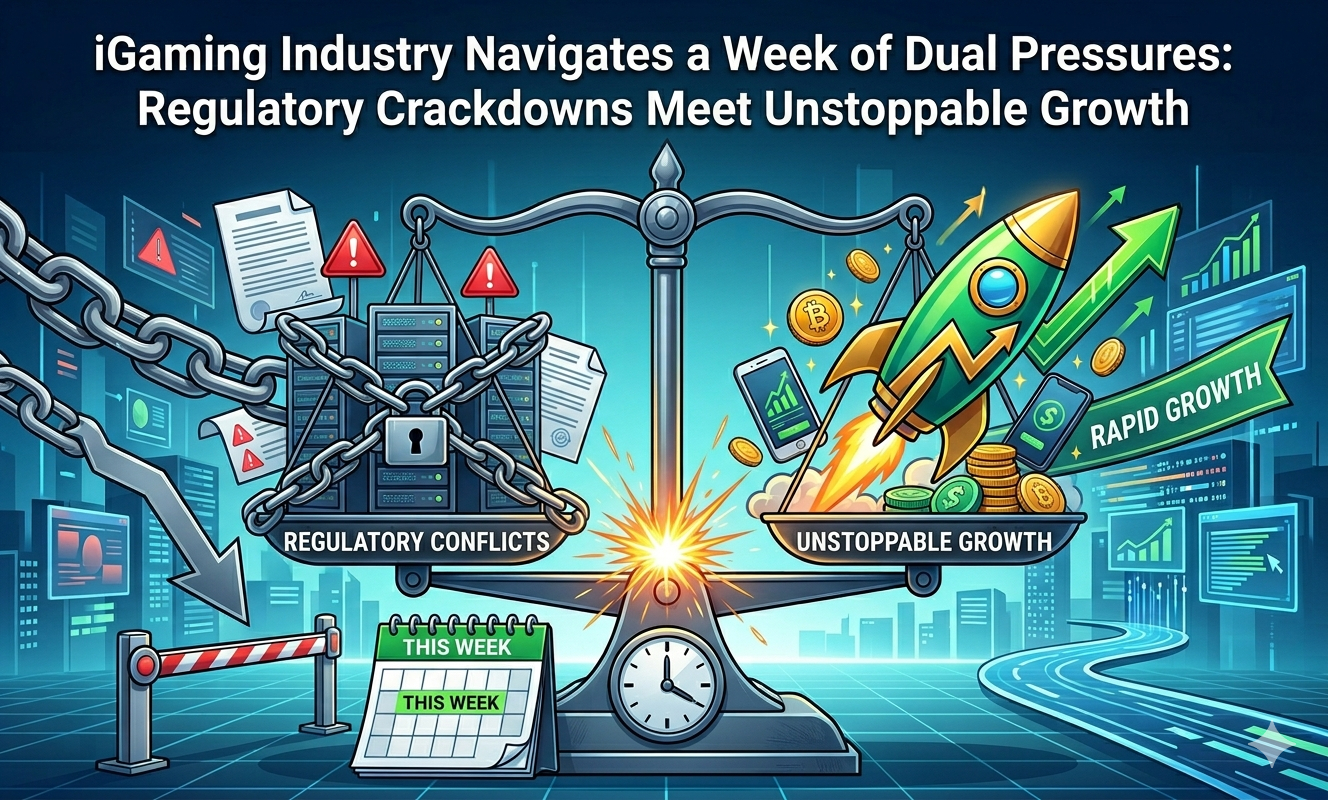
How Crypto Casinos are Balancing Growth with Global Regulations
On June 15th, 2026, industry analysts at NyesteCasino.com released a comprehensive report detailing the current state of the iGaming (online gambling) world. The report highlights how digital casinos are currently navigating a complex landscape of strict government oversight while simultaneously reaching record-breaking market expansion. This development is crucial for crypto enthusiasts because it signals a maturing phase for blockchain-based betting platforms, which are often the first point of entry for new digital asset users.
The Surge of Crypto-Based Gambling Platforms
The report suggests that the rise of crypto casinos—websites that allow users to wager Bitcoin or other digital currencies—is largely driven by their speed and anonymity. However, this growth has caught the eye of regulators worldwide. For beginners, it is important to understand that iGaming refers to any form of betting on the internet. As more people use crypto for these activities, governments are stepping in to ensure that these platforms follow Anti-Money Laundering (AML) laws. These are rules designed to stop criminals from disguising illegally obtained money as legitimate income.
Furthermore, the data shows a significant increase in betting volume associated with major global events like the World Cup. This surge demonstrates that digital assets are becoming a mainstream method for entertainment spending. As these platforms localise, or adapt their services to specific countries, they are forced to deal with a 'circuit split.' This is a legal term meaning different courts have different opinions on how the law should be applied. This creates a confusing map for operators trying to stay legal across different regions.
Increasing Scrutiny from the US Senate
One of the most significant hurdles discussed is the intensifying pressure from the U.S. Senate. Lawmakers are holding hearings to determine how to classify crypto gambling. They are concerned with consumer protection and whether these platforms are providing fair odds to their users. For many in the industry, this regulation is seen as a double-edged sword. While strict rules can limit freedom, they also provide a sense of safety that might encourage more traditional investors to participate in the ecosystem.
A major focus of the Senate hearings is the localization of crypto casinos. This process involves ensuring that platforms verify the location of their users to prevent people in prohibited areas from gambling. Many sites now use advanced geolocation tools to block access based on a user's IP address (the unique digital code that identifies a computer on the internet). This shift ensures that the iGaming industry can coexist with national laws rather than operating in a 'gray market' where rules are unclear.
What This Means for USA Investors
For investors in the United States, the tightening of crypto casino regulations is actually a positive signal for long-term stability. As these platforms move toward full compliance, the risks of sudden government shutdowns or frozen assets decrease. If you hold tokens related to gambling projects or DeFi (decentralized finance) protocols that support these platforms, expect more transparency in the coming months. However, the cost of following these rules might lead to higher fees for users or lower returns for project stakeholders initially.
US investors should stay informed about the difference between regulated domestic platforms and offshore sites. Regulated platforms offer more legal protections if something goes wrong, whereas offshore sites may not guarantee the return of your funds. As the 'circuit split' in the courts settles, we will likely see a clearer framework that could pave the way for more institutional money—money from large companies and banks—to enter the crypto-gambling sector.
Source: CryptoPotato