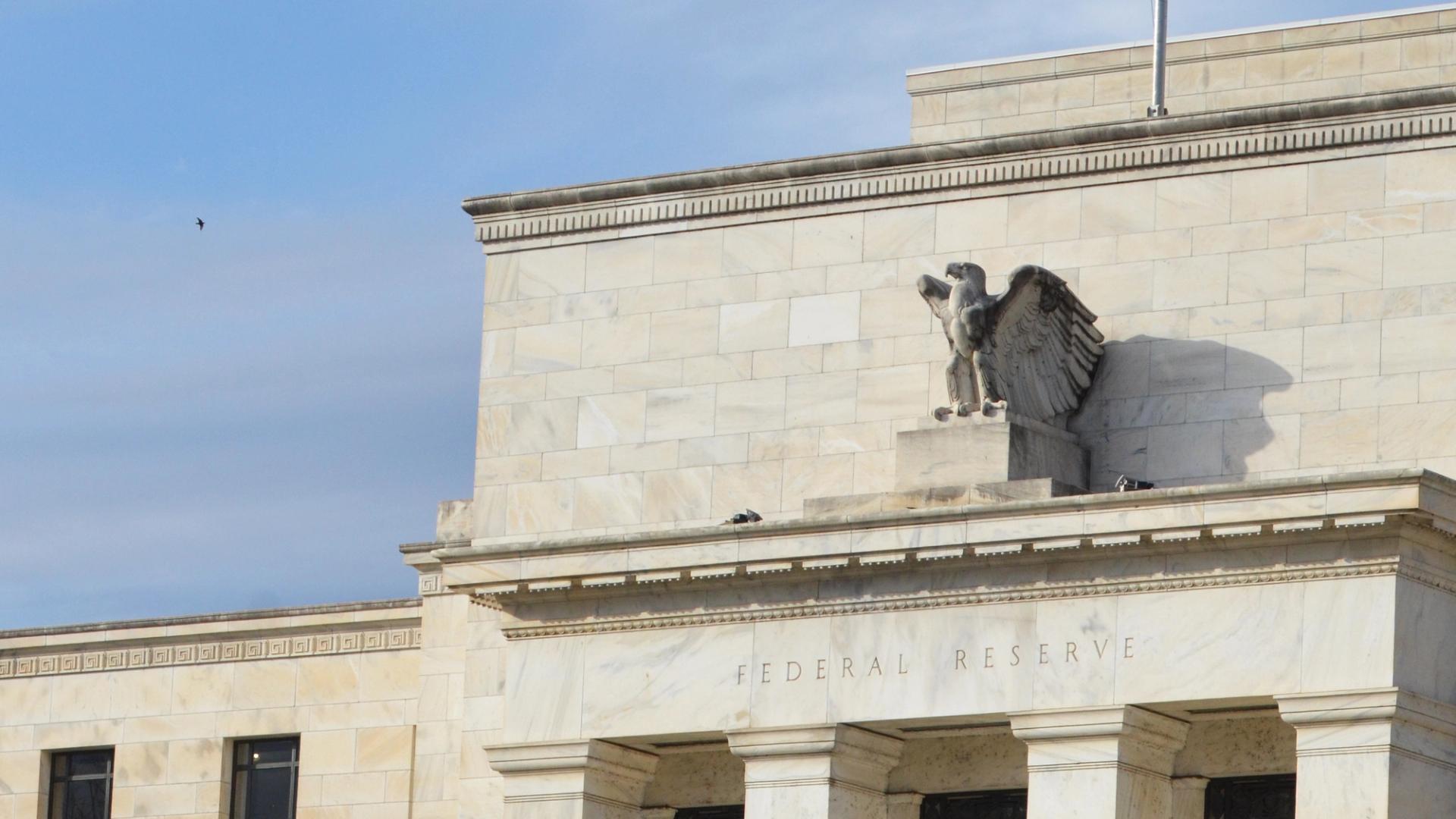
US Government Proposes Strict New Identity Rules for Stablecoin Users
Major United States financial regulators, including the Federal Reserve and the Treasury Department, have introduced a significant proposal that would require stablecoin providers to verify the identities of their users. This new initiative, part of the GENIUS Act (a legislative framework focused on digital asset security), aims to bring the crypto world in line with traditional banking standards. The proposal is currently open for public comment, meaning the government wants to hear what citizens and companies think before making it a permanent law. By implementing these rules, officials hope to prevent money laundering and stop illegal activities involving digital currencies that are pegged to the value of the US dollar.
The Shift Toward Banking Standards in Crypto
For years, many people used stablecoins (cryptocurrencies designed to stay at a steady price, usually $1.00) because they offered a fast and often private way to move money. However, the Federal Reserve now argues that these digital assets should follow the same Know Your Customer (KYC) rules as your local bank. KYC refers to the process where a company verifies your identity using documents like a driver's license or passport. Under the new proposal, any company issuing or managing stablecoins would be required to keep detailed records of who is buying and selling their tokens. This move is intended to close what regulators call "regulatory gaps" that currently exist between traditional finance and the decentralized world of crypto.
How the GENIUS Act Changes the Landscape
The GENIUS Act represents a major push by the Treasury to modernize how the government tracks digital money. Currently, some stablecoins operate in a gray area where it is difficult for authorities to see where funds are going. By treating these assets like bank deposits, the government can track suspicious transactions more effectively. While this might improve safety, it is also raising concerns among privacy advocates who believe crypto was meant to be more private than traditional banking. Regulators argue that as stablecoins become more popular for everyday shopping, they must be regulated to ensure the stability of the entire US economy.
What This Means for USA Investors
If you are an investor in the United States, these new stablecoin identification rules could change how you interact with your digital wallet. You may find that you have to provide more personal information to apps and exchanges than you did previously. Platforms that allow you to swap crypto without an ID might face strict penalties or be forced to shut down. On the positive side, these rules could make stablecoins feel safer for mainstream users, potentially leading to more businesses accepting crypto as payment. However, it also means that the "anonymity" of crypto is fading as the government seeks to ensure every digital dollar can be traced back to a specific person.
Public Feedback and Next Steps
The proposal is not yet set in stone. The government has invited the public to weigh in on the GENIUS Act requirements. This period allows crypto companies, lawyers, and regular investors to voice their concerns or support for the new standards. Once the comment period ends, the agencies will review the feedback before deciding on a final version of the rule. Investors should keep a close eye on these developments, as they will likely set the tone for all future crypto regulations in the United States for years to come.
Source: CoinDesk