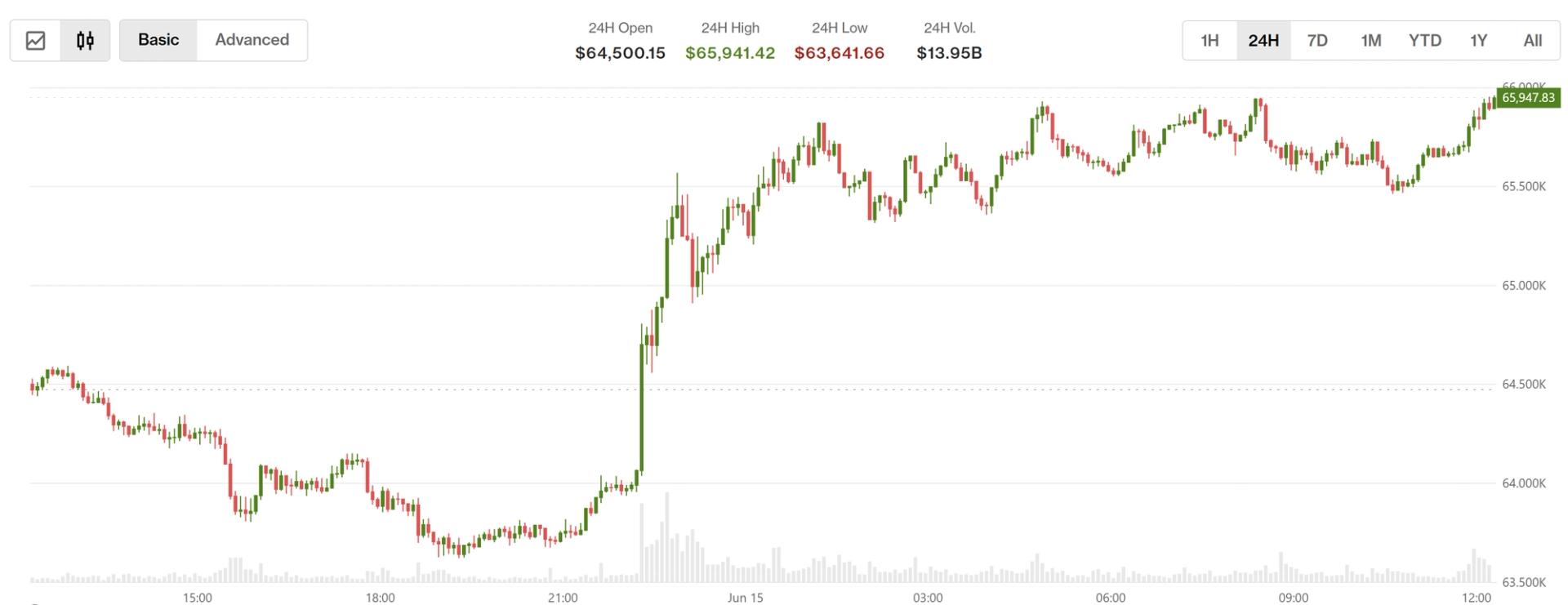
US-Iran Peace Deal Shakes Markets: Why Crypto Investors Remain Watchful
Following a landmark weekend peace deal between the United States and Iran, global markets have seen a significant shift as equities (stocks) surged and oil prices dropped. While traditional financial markets responded with optimism to the geopolitical easing, cryptocurrency traders are showing a measured skepticism. This caution stems from years of volatile reactions to political headlines, leaving many digital asset holders wondering if this stability will last or if it is a temporary lull before another market shift.
The Immediate Impact on Traditional Markets
The announcement of the US-Iran peace deal functioned as a major stimulus for traditional Wall Street. When peace is brokered in oil-rich regions, it often leads to lower energy costs. Lower oil prices generally reduce shipping and production costs for companies, which is why equity markets—the trading of company shares—saw an immediate upward trend. For the average investor, this usually signals a 'risk-on' environment where people are more willing to put money into growth-oriented assets. However, while the S&P 500 and Dow Jones celebrated the news, the crypto sector did not follow the same aggressive growth path, staying relatively flat during the initial hours of trading.
Why Crypto Traders Distrust Political Headlines
In the world of decentralized finance (DeFi—financial services built on blockchain technology), geopolitical news can be a double-edged sword. Many crypto enthusiasts view Bitcoin and other digital assets as 'digital gold' or a hedge (a way to protect against loss) against traditional market instability. When global peace improves, the urgency for a non-government-controlled currency sometimes diminishes in the eyes of short-term traders. Furthermore, the crypto community has a history of 'selling the news'—a strategy where traders sell their assets after a major positive event because the price had already increased in anticipation of that event.
Understanding Market Volatility and Sentiment
Market sentiment (the overall mood of investors) remains wary because previous agreements of this nature have faced challenges during implementation. For a beginner, it is important to understand that cryptocurrency is often subject to higher volatility (rapid and unpredictable price changes) than the traditional stock market. While a peace deal suggests global stability, crypto whales (investors who hold large amounts of a specific cryptocurrency) often wait for concrete policy changes, such as the lifting of sanctions or new trade regulations, before making massive moves. Until then, the market is likely to experience a 'wait-and-see' approach rather than a sudden bull run (a period where prices rise consistently).
What This Means for USA Investors
For investors in the United States, this peace deal could lead to a stronger US Dollar, which sometimes puts downward pressure on Bitcoin's price. When the dollar is strong, assets priced against it can appear less valuable. However, if the peace deal leads to lower inflation, it may allow the Federal Reserve to lower interest rates. Lower interest rates are typically good for crypto, as borrowing money becomes cheaper, and investors look for higher returns in the digital asset space. US-based traders should keep a close eye on upcoming inflation data to see if this geopolitical win translates into real financial relief at home.
Looking Ahead: The Road to Market Stability
While the immediate reaction of crypto has been cautious, the long-term effects of a US-Iran deal could provide the macroeconomic stability needed for the next phase of institutional adoption. If the peace holds, we may see more corporations feeling comfortable enough to add Bitcoin to their balance sheets. For now, beginners should avoid FOMO (Fear Of Missing Out) and focus on long-term trends rather than daily political headlines. Stability in the Middle East is a win for the world, and eventually, a stable global economy is almost always a win for the growth of digital finance.
Source: CoinDesk