Will New US Rules Change How You Trade Crypto Perpetual Futures?
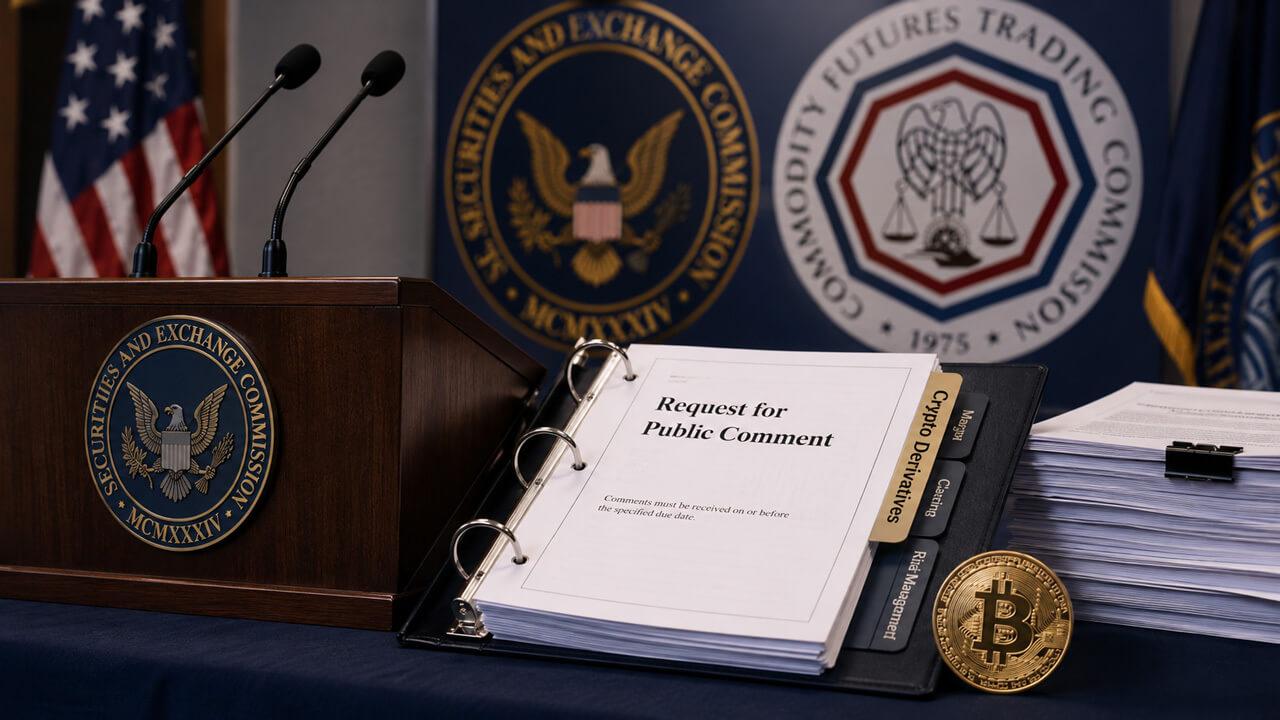
The Commodity Futures Trading Commission (CFTC), a major government agency that oversees markets, is currently reviewing how it defines crypto perpetual futures (contracts that allow traders to buy or sell an asset at a future date without an expiration). This review, initiated recently, aims to determine whether these popular trading products should be classified as swaps or futures. This decision is critical because it will dictate which companies can offer these services to Americans and what level of consumer protection is required. Both traders and platforms are closely watching this 'public contest' of definitions, as the final ruling will shape the legal landscape for crypto derivatives in the United States for years to come.
Understanding Perps and Event Contracts
In the world of cryptocurrency, 'perps' is short for perpetual futures. Unlike traditional futures contracts that have a set end date, perps allow a trader to hold their position indefinitely as long as they have enough collateral (assets used to secure a loan). Regulators are also looking at 'event contracts,' which are trades based on the outcome of specific real-world events, such as elections or weather changes. Currently, many of these products exist in a legal gray area. The CFTC is asking for public input to decide if these should be treated like gambling, insurance, or standard financial investments.
The Debate Over Product Definitions
The core of the issue lies in 'alternative compliance.' This means regulators are considering whether crypto platforms should follow the same strict rules as traditional stock exchanges or if a new set of rules should be created. Some industry experts argue that crypto is unique and needs a new framework, while regulators often feel that 'same risk, same rules' should apply. If the agencies decide to call perps 'swaps' (private agreements to exchange cash flows), the reporting requirements for platforms would become much more intense, potentially driving some service providers out of the US market entirely.
What This Means for USA Investors
For the average USA investor, this regulatory shift could mean more safety but fewer choices. If the CFTC imposes strict definitions, many offshore or unregulated exchanges may block US users to avoid legal trouble. However, if these products are clearly defined and legalized within the US, investors might soon be able to trade crypto perpetual futures on regulated, insured platforms, reducing the risk of losing money to hacks or exchange collapses. While the 'public contest' over these definitions continues, US traders should remain cautious and use platforms that prioritize compliance with existing American financial laws.
Source: CryptoSlate