Why Turkish Lira Stablecoins are Beating Euro Tokens in 2025
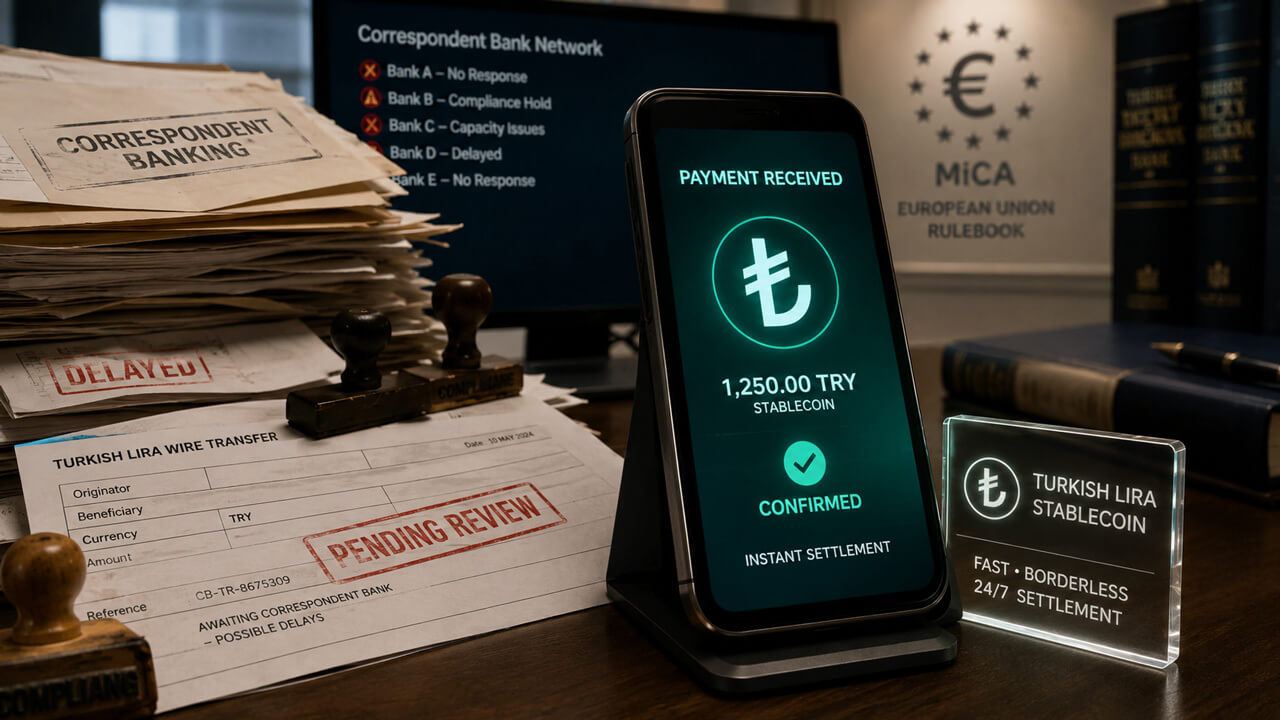
In a surprising shift for the global digital asset market, Zodia Markets—a cryptocurrency platform majority-owned by Standard Chartered—reported processing a massive $3.4 billion in Turkish lira stablecoin (digital tokens pegged to the value of a national currency) transactions during 2025. This surge has made the lira the second-most-used currency on the platform, trailing only the US dollar. This data highlights a growing demand for digital assets in volatile markets, even as regulated European tokens struggle to gain similar traction among global investors and traders.
The Dominance of the Dollar and the Rise of the Lira
While the US dollar remains the king of the crypto world, with dollar-pegged tokens like Tether (USDT) and Circle’s USDC totaling $110.5 billion in volume on the platform, the Turkish lira's performance is the real story. By outperforming every G10 currency, including the euro, the lira stablecoin has proven that utility often tranches regulation in the crypto space. For many users, stablecoins act as a bridge between traditional money and high-speed digital trading, allowing them to move funds without waiting for traditional banks.
Why Euro Tokens are Struggling to Keep Up
Despite Europe’s efforts to create a regulated framework for digital assets, euro-pegged tokens have not seen the same explosion in use. This struggle suggests that investors may prioritize liquidity (the ease of buying or selling an asset without changing its price) and immediate need over strict regulatory compliance. In countries like Turkey, where inflation can devalue the local currency quickly, stablecoins provide a vital tool for wealth preservation and cross-border trade that the euro currently doesn't solve as urgently for its residents.
What This Means for USA Investors
For investors in the United States, the rise of the Turkish lira stablecoin serves as a reminder that the crypto market is truly global. While we often focus on domestic regulations from the SEC (Securities and Exchange Commission), international demand driven by inflation or local economic needs can shift which digital assets become valuable. It also suggests that until the euro or other major currencies offer better incentives or utility, dollar-backed stablecoins will likely remain the primary "safe haven" within the digital ecosystem for the foreseeable future.
Source: CryptoSlate