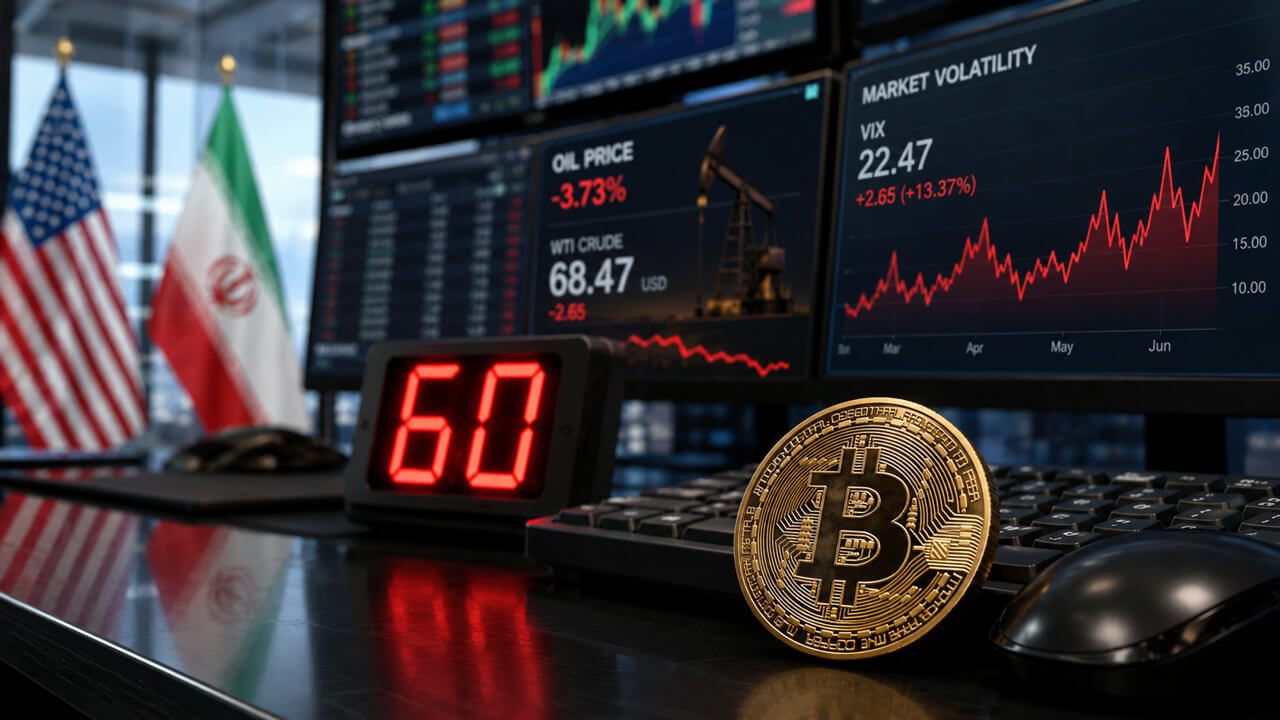
Bitcoin Price Outlook: How Iran and the Fed Shape the Next 60 Days
Bitcoin (the world's first decentralized digital currency) recently saw a price rally as news broke regarding a potential thaw in relations between Iran and the United States. Following a statement from Iran's foreign minister, both nations are set to begin formal negotiations the same day a memorandum of understanding (a formal agreement between parties) is signed. This kicks off a critical 60-day window aimed at resolving long-standing nuclear issues and providing Iran with relief from economic sanctions. Investors are currently weighing these geopolitical shifts against shifting policies from the U.S. Federal Reserve, as the initial fear of high oil prices begins to transition into a focus on interest rate decisions.
The Geopolitical Impact on Crypto Markets
While many see Bitcoin as a hedge (an investment to reduce the risk of adverse price movements) against traditional market instability, its price often reacts sharply to global conflict and oil supply news. When crude oil prices fall, it typically eases concerns about runaway inflation (when prices of goods and services rise rapidly). For Bitcoin, the signing of the memorandum before all hard terms were settled served as a bullish signal, suggesting that the risk of a wider Middle East conflict might be de-escalating. This 60-day testing period will determine if the market can sustain its current momentum or if political roadblocks will cause a sell-off.
Shifting Focus to the Federal Reserve
As the immediate "oil shock" fears subside, crypto traders are turning their attention back to the Federal Reserve (the central bank of the United States). The Fed manages the country's money supply and interest rates to keep the economy stable. If the Fed continues to keep interest rates high to fight inflation, investors often move money out of "risk-on" assets like Bitcoin and back into stable investments like government bonds. However, if the peace talks in the Middle East lead to lower energy costs, the Fed may find it easier to lower interest rates, which historically helps the price of Bitcoin climb.
What This Means for USA Investors
For investors in the United States, the next two months represent a period of high volatility (when the price of an asset fluctuates quickly). Beginners should understand that Bitcoin is becoming increasingly tied to macroeconomics (the study of the economy as a whole). If the Iran negotiations succeed, it could lead to a more stable global market, potentially benefiting crypto prices. On the other hand, any failure in these talks or a surprise move by the Federal Reserve could lead to sudden price drops. Diversification—holding different types of assets—remains the best strategy for those navigating the uncertainty of the current 60-day window.
Source: CryptoSlate